On Tuesday night Sony stood on a stage in Los Angeles, gave an extended look at 'Marvel's Wolverine' and announced a 'Rayman Legends' remake, and by Wednesday lunchtime in Stockholm I had to check the news to confirm it had happened. The games were fine. The week is the thing I can't hold onto. It's Thursday, the season is three days old, and it already runs to eighteen separate broadcasts across eight days, opening with Monday's Media Indie Exchange and closing, if your stamina lasts, with next Monday's India Games Showcase.
Eighteen, by my count. State of Play and Black Voices in Gaming on Tuesday, Shacknews on Wednesday, the Latin American and Women-Led showcases tonight, Summer Game Fest itself on Friday with Day of the Devs straight after, a Saturday that runs half a dozen shows nose to tail, then Sunday handing its evening to Xbox and the PC Gaming Show and the Deutsche Indie Showcase. This is what the industry put in the hole E3 left: not one event but eighteen, sorted by who you are and where you live. The question worth asking before Friday is whether that is the right answer or only the one that was available.
E3 was finished in any working sense by 2023. The ESA cancelled that year's show in March and made it formal by Christmas, and the reason was the budget, not the grief. The big publishers had realised they could run their own streams on their own dates and pocket the marketing money instead of renting floor space from a trade body. Sony left first, in 2019. Microsoft and Nintendo stayed and complained. Eventually they all left.
What grew into the empty slot was Summer Game Fest, the digital show Geoff Keighley started in 2020, back when a pandemic was the reason for everything. The pitch made sense: one date, one broadcast, publishers signed on as partners. By 2024 it was the closest thing the calendar had to a tentpole. By 2026 it has turned into the umbrella that every other showcase now shelters under, which is not the same as Keighley running them.
The generous reading is the obvious one, and it stands up. More developers from more places get a stage of their own now, cut for the people who actually want to be in the room. The Latin American Games Showcase no longer has to fight for ninety seconds inside somebody else's broadcast. The people who want a cosy farming sim are not the people who want Battlefield, and the old E3-shaped event spent years sitting them in the same room. The new arrangement lets each scene talk to its own people, and that is a real gain worth stating before anything sharper.
What it costs is the shared moment. There is no longer a single hour when the industry says one thing and the whole audience turns to look at once. Eighteen showcases produce eighteen smaller conversations, each sealed inside the slice of the audience that already cared. The Deutsche Indie Showcase and the Frosty Games Fest air in the same week, and the only person likely to have sat through both is a critic who was being paid to. The map of who watches what has come to resemble Netflix's recommendation rows more than a shared room.
It also leaves the whole structure leaning on the one show still trying to be everything, which is Summer Game Fest, Friday at 11pm my time. That dependence makes something strange feel normal: the centre of the industry's yearly self-presentation is a single Geoff Keighley broadcast at the Dolby Theatre in Hollywood. Keighley is a good host and a better convener. He is also one man with views on what earns a slot, and he has been June's editor in all but name for seven years running. Nobody has audited that arrangement. Nobody is going to.
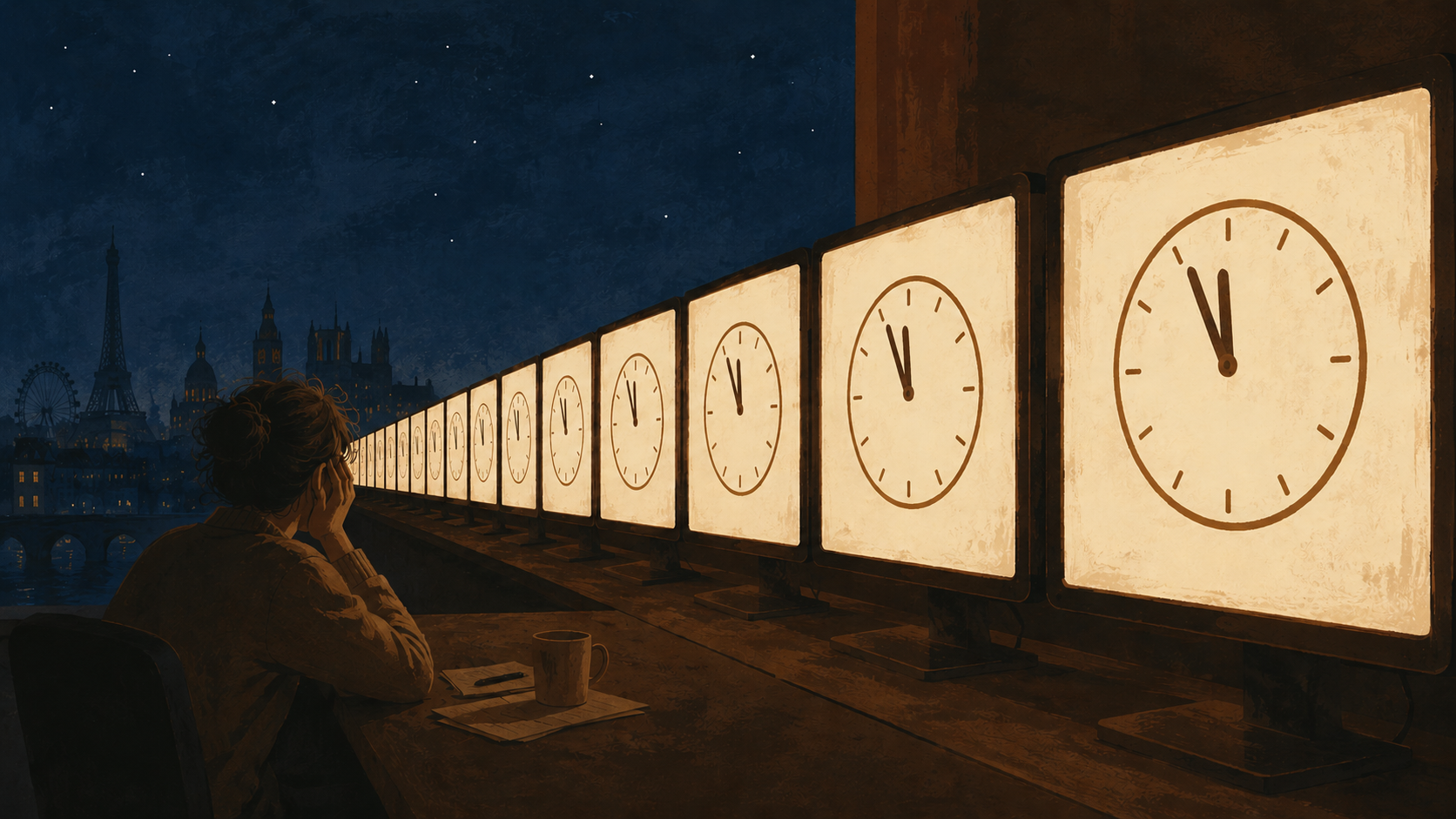
Then there are the clocks. The schedule clusters around Pacific-friendly hours, so a European watching the lot live spends plenty of the small hours doing it, somewhere between 9pm and 4am. The Deutsche Indie Showcase exists to put German, Austrian and Swiss studios in front of an audience, and it airs at 11pm Central European time on Sunday. Even the German showcase keeps Los Angeles hours.
The one I am actually going to watch is that German showcase, partly because Sunday at 11pm is the only slot that lands inside my flat's waking hours, and partly because German indie has had a rotten few years. Mimimi, the Munich studio behind 'Shadow Tactics' and the much better 'Shadow Gambit', shut its doors in 2023. Daedalic in Hamburg walked away from first-party development the same year, after 'The Lord of the Rings: Gollum' did the cultural work of a £200 million flop on a fraction of the budget. The studios that came out the other side of that stretch are the ones with something left to prove, and giving them their own hour is a small structural correction I'm happy to stay up for.
The rest of the week will reach me the way most of it now reaches everyone, as headlines on Monday morning.