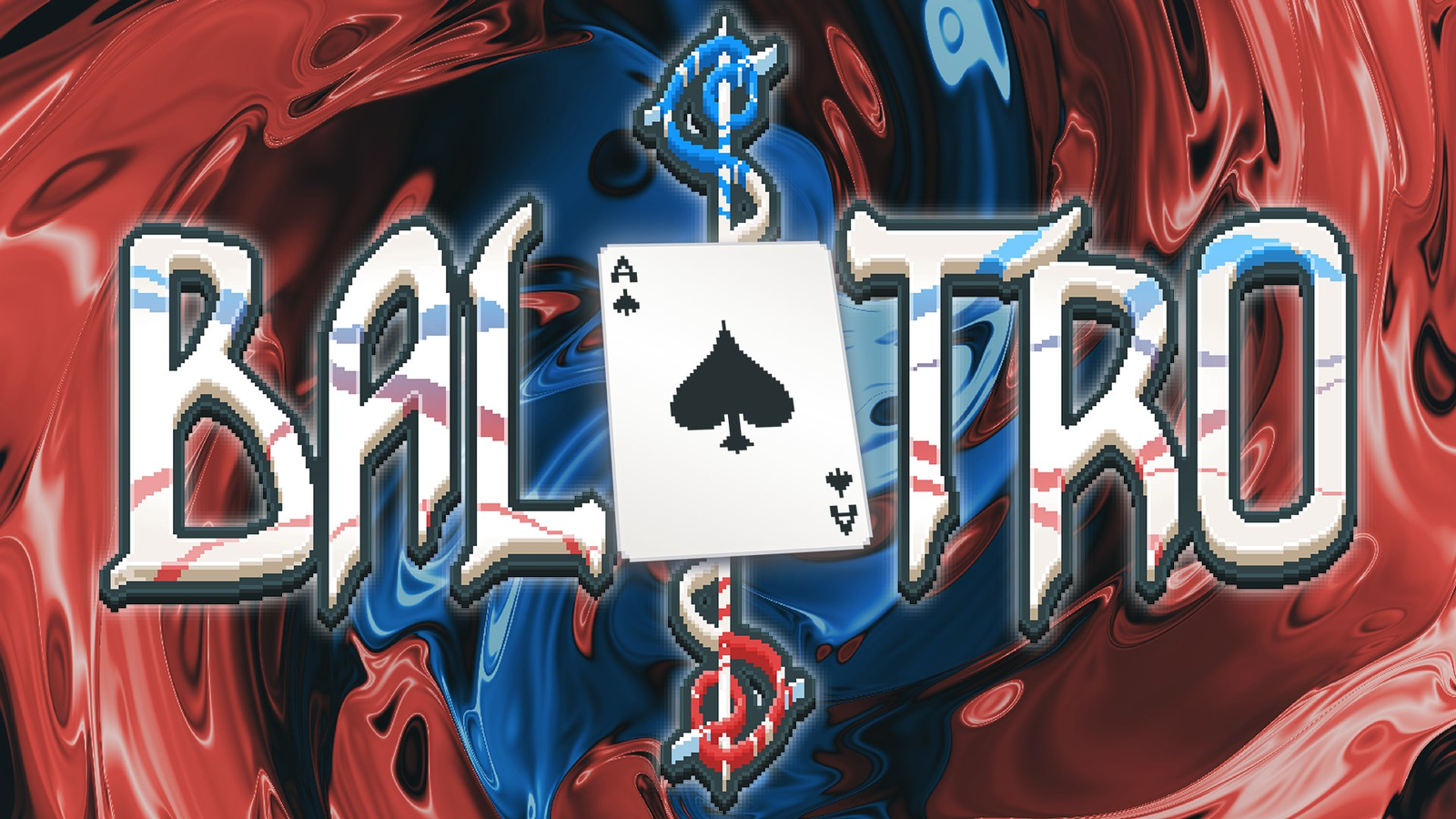
Balatro is a game about cheating the house and getting away with it. You glue Jokers onto poker hands until the maths goes feral, until a pair of twos pays out like you robbed a casino and the casino apologised. For one perfect run you’re the smartest person in the building. You own the table.
Then the run ends, and you find out that Balatro’s publisher just got sold to the actual house.
That house is Integrated Media Company (IMC), and the path the money took to get there is its own small comedy. Playstack belonged to a British fintech called TruFin, which has just sold the studio to a brand-new shell named VantageCo. VantageCo turns out to be a wholly owned limb of IMC, which is itself owned by the private equity giant TPG. Down at the bottom of all that sits 'Balatro', along with 'Abiotic Factor' and the two 'Golden Idol' games, tagged at around £125 million and waved through by a board that couldn’t approve the sale fast enough. TruFin called selling one of the decade’s best indie publishers a “disposal,” which is the word for getting rid of a body, not a studio.
The games press logged this as a Tuesday and moved on, which is mad, given who IMC already is. This is the company that owns Fandom, GameSpot, GameFAQs and Giant Bomb, and — the one nearly everyone skated past — Metacritic.
Let that sit for a second. The company that owns the single most important number in video games is buying a company whose games will be judged by that number. Metacritic will have money riding on the games it scores.
If you think a review aggregator is a harmless thing to own, ask Obsidian. In 2010 they built 'Fallout: New Vegas' for Bethesda on a contract that paid a bonus only if the game hit 85 on Metacritic. It hit 84. Five million copies and three hundred million dollars in, the bonus died on the gap between 84 and 85, a number set by a few dozen reviewers who had no clue anyone’s mortgage was riding on it. What IMC is buying is that exact lever, the number that keeps a hand on everyone’s payroll.
Nobody at Metacritic is going to ring up a reviewer and lean on them for four points on the next 'Abiotic Factor'. That’s the dumb version, and it’s the one that lets everyone off the hook. The real problem is boring, which is exactly why it works. When the company publishing your game also owns the scoreboard, and the wiki, and the site that reviews you, nobody has to do a single corrupt thing. The conflict just moves into the building and signs a lease.
Playstack’s founder, Harvey Elliott, swears nothing will change, that the team and the plan stay exactly as they are, “business as usual” for now. They always say that. After IGN swallowed Humble Bundle, its publishing arm got “restructured” in 2024 and 36 people lost their jobs. Humble Games did keep publishing afterwards: 'Monaco 2' arrived in April 2025 and 'Lost Skies' followed in September. The comparison is less tidy than I first made it. The warning survives: “business as usual” is a promise about the present tense, not ownership five years from now.
The new landlord turns up with a reputation, too. This is a company whose wiki empire has spent years watching its biggest communities storm off to independent hosting, 'Minecraft' and 'RuneScape' among them, because reading a Fandom page now feels like getting mugged by pop-ups. That’s who gets a say in which small games live or die. A firm that can’t keep a 'Minecraft' wiki from walking out is now sitting upstream of the next 'Balatro'.
Play enough 'Balatro' and you start to feel the joke it was always telling. The whole game is the fantasy of beating a rigged house from the inside, of being, for one run, the player who finally owns the odds. The minute that fantasy earned enough to be worth owning, the house bought the people who built it. The cards haven’t changed and neither have the Jokers. The only thing that changed is who owns the table, and the table always, always collects.