Four hundred thousand dollars is currently riding on a single question: whether 'Grand Theft Auto VI' arrives on the nineteenth of November or slips again, as it has more than once, into next year. The market puts the odds of the date holding at around eighty-three percent, which means people are placing real money, today, on the release date of a game not one of them has played, in roughly the spirit you might bet on an interest rate or a harvest. Somewhere in the past two years it stopped being a thing you buy and became a thing you take a position on.
This is worth sitting with for a moment. 'Grand Theft Auto VI' is the most valuable entertainment product of the decade, and it does not yet exist. You cannot play it or refund it. What you can now do, as Rockstar announced last week, is pay for it: pre-orders open this week, and you can put down full price today for the right to play the game some five months later, in November. Beyond that you can bet on it or pore over the few minutes of footage that exist in public, and the discovery Rockstar has stumbled into, mostly by accident, is that all of this pays a good deal better than a finished game ever needed to. The wait, it turns out, is the product.
Take-Two, Rockstar's parent, told its investors in May that it expects something north of eight billion dollars in net bookings for the coming financial year, and named the November launch as the engine of the figure. A publicly traded company hung a record forecast on a single Wednesday in autumn, and the share price duly moved on the strength of a date for a thing nobody outside the building has played. Strauss Zelnick, the chief executive, has spent the spring repeating that date in the steady tone of a man whose share price is now built partly out of other people's waiting.
Then there was the apology. When Rockstar pushed the game from May to November, it put out a short statement saying sorry for the wait and promising the extra months would buy the polish fans deserve. Studios delay games constantly and almost never apologise for it, because an apology concedes you owe somebody something. This one read like the note a fashion house sends about the handbag you have queued eighteen months to overpay for. The scarcity is the strategy, and the apology is that strategy with its hat in its hands.
The underlying economics are odder than the betting. 'Grand Theft Auto V' came out in 2013 and has since sold somewhere north of two hundred million copies, and its online half still prints money most studios would happily retire on. A child born the week 'GTA V' launched is now old enough to be asked for ID buying the sequel. Rockstar did not need to ship a sixth game to remain the richest address in the medium, which is precisely why it could afford to make the absence itself the headline act. Most companies sell you something. This one has worked out how to sell you the slowly hardening certainty that one day, eventually, it will.
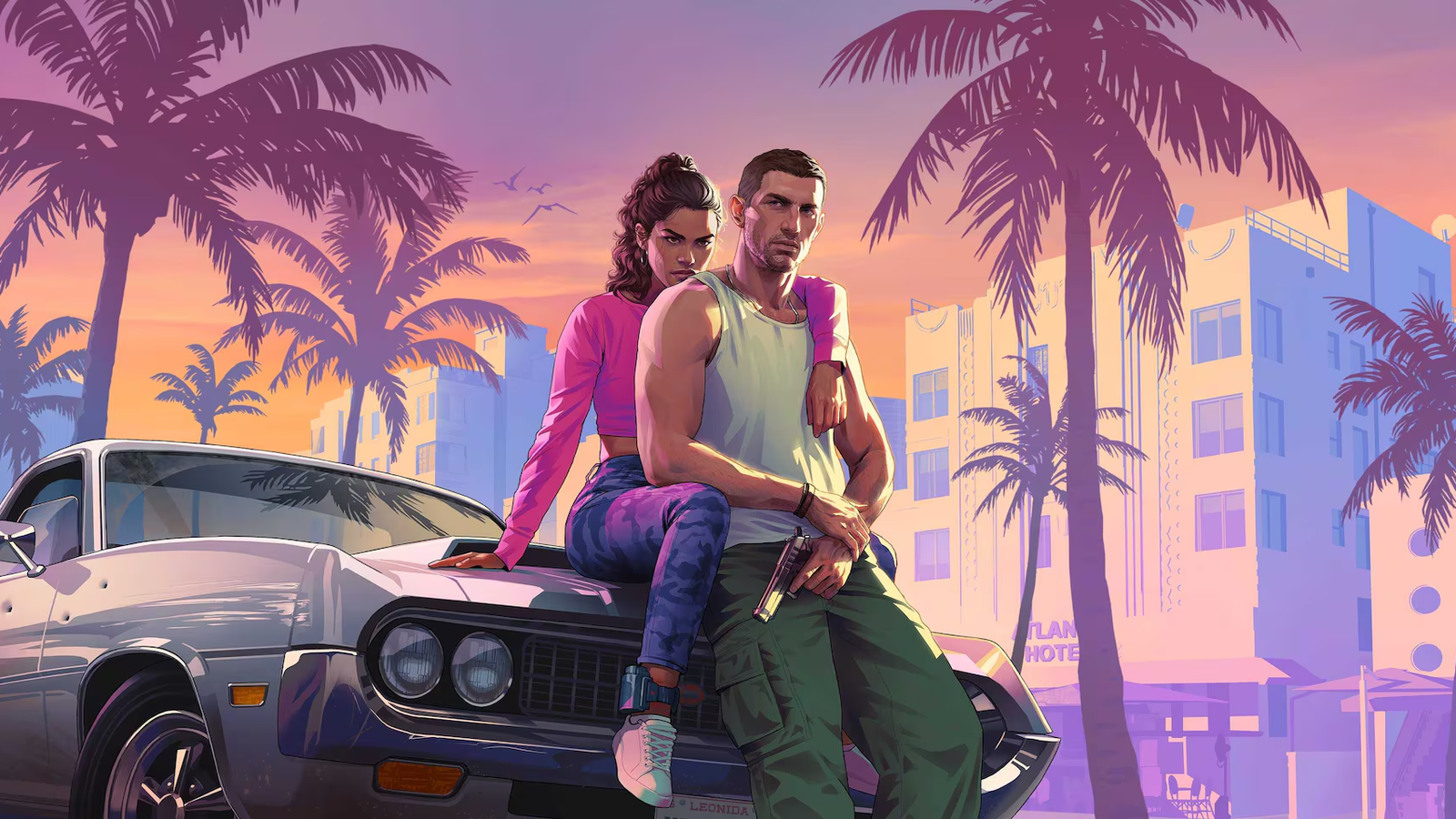
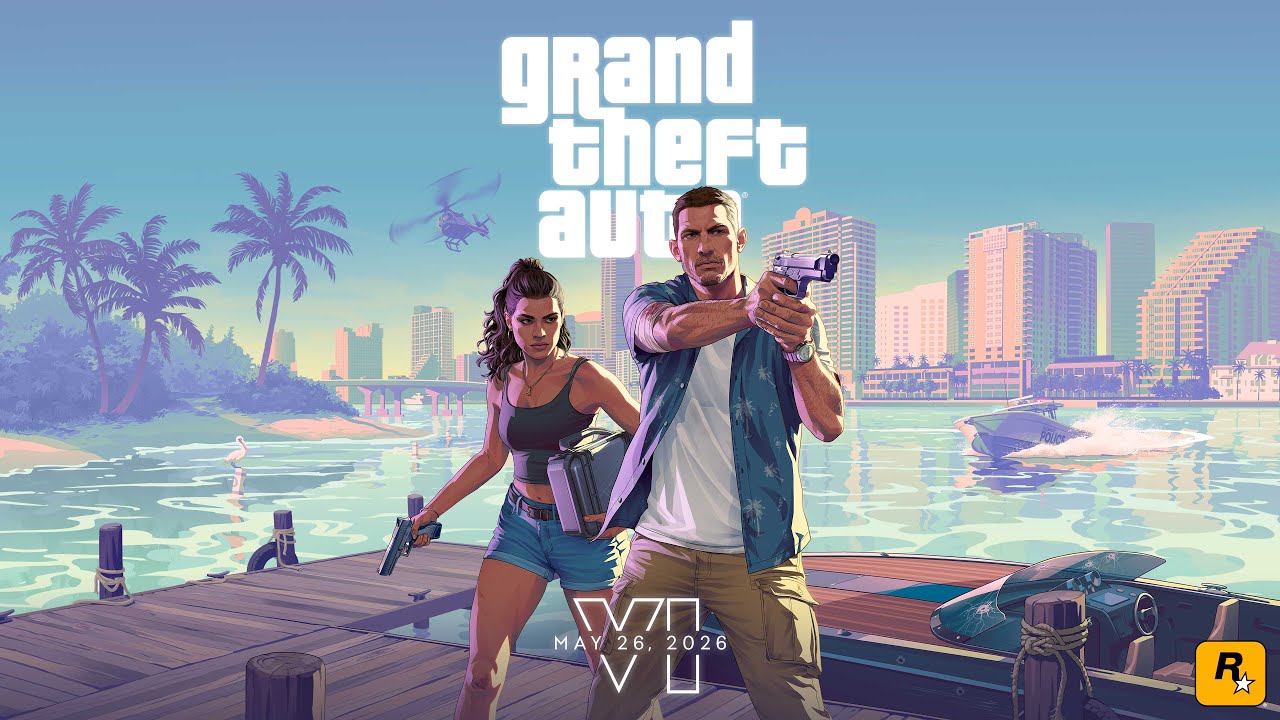
The fans have been doing the marketing free of charge for years. Two trailers exist, the first from December 2023, which became the most-viewed reveal in the history of the form, and the second from May 2025, and in the gap between them grown adults have produced a small scholarly literature on the contents, freezing frames to weigh the price of a sandwich on a billboard against the make of a car blurred through the back of a half-second shot. I have read more of these shot-by-shot autopsies than I would care to admit. It is unpaid labour dressed as devotion, and it worked well enough that Rockstar let the silence run for over a year and watched the analysis accumulate without lifting a finger. It finally broke last week, with the cover art and a one-sentence plot finally out and a third trailer expected within days, which comes to more than a year of free publicity wrung from showing people almost nothing.
The detail I keep returning to is where all of this is made. 'Grand Theft Auto' is the most cutting satire of American money-hunger the medium has produced, a decades-long sneer at the strip-mall hustle and the religion of the upgrade, and it is written in Edinburgh. Rockstar North began life as DMA Design in Dundee, the studio behind 'Lemmings', and has spent twenty years selling America a mirror it cannot stop looking into. The outsider's eye was always the trick. The Scots saw the hustle clearly because they were standing far enough back to find it funny.
Which is the joke the marketing has turned into. A series that mocks the American conviction that everything is an asset to be flipped is now sold through manufactured scarcity and a live betting market, with talk of a hundred-dollar price tag on top, the most efficiently capitalist rollout the industry has ever mounted. The satire's own launch out-hustles the satire, and nobody sat down and planned it that way; it is simply what happens once a thing gets large enough that the money stops waiting for the product to catch up.
The strongest objection is that Rockstar earns this. 'Red Dead Redemption 2' and 'GTA V' were the sort of thing the medium points to when it wants to be taken seriously, and if November delivers another of those, the betting and the frame-by-frame theology will look, in hindsight, like a measured response to something well worth the fuss. Grant every word of that, and the difficulty that remains is that the quality of the game has become almost beside the point of its function. Brilliant or merely enormous, it has already done the financial work as a rumour, and the disc itself, when it finally turns up, will arrive as a sort of bonus feature bolted to an asset that cleared most of its value years ago.
From where I sit this all reads stranger than it seems to over there. A game slipping by a year is, in most of Europe, a Tuesday; in America it becomes a civic event, complete with prediction markets and formal apologies, the national gift for turning anticipation into a tradable instrument brought to bear on a cartoon about carjacking. The game itself will be about a couple called Lucia and Jason robbing their way across a lightly fictionalised Florida. The conversation around it is already a more sophisticated financial product than anything they will pull off inside it.
On the 25th the pre-orders open, and if Rockstar holds to its usual choreography the third trailer will arrive alongside them, ninety seconds of a game that is still the better part of a year out of anyone's hands and that will, even so, nudge Take-Two's share price before the clip has finished buffering. Somebody will pause it on a frame and file a thousand words on what the price of a beer on an in-game billboard reveals about the economy of a place that does not exist. The money will arrive long before the game does, which was always the clever part, and Rockstar, having found it can be paid handsomely for a release date, has no pressing reason left to hurry the rest.