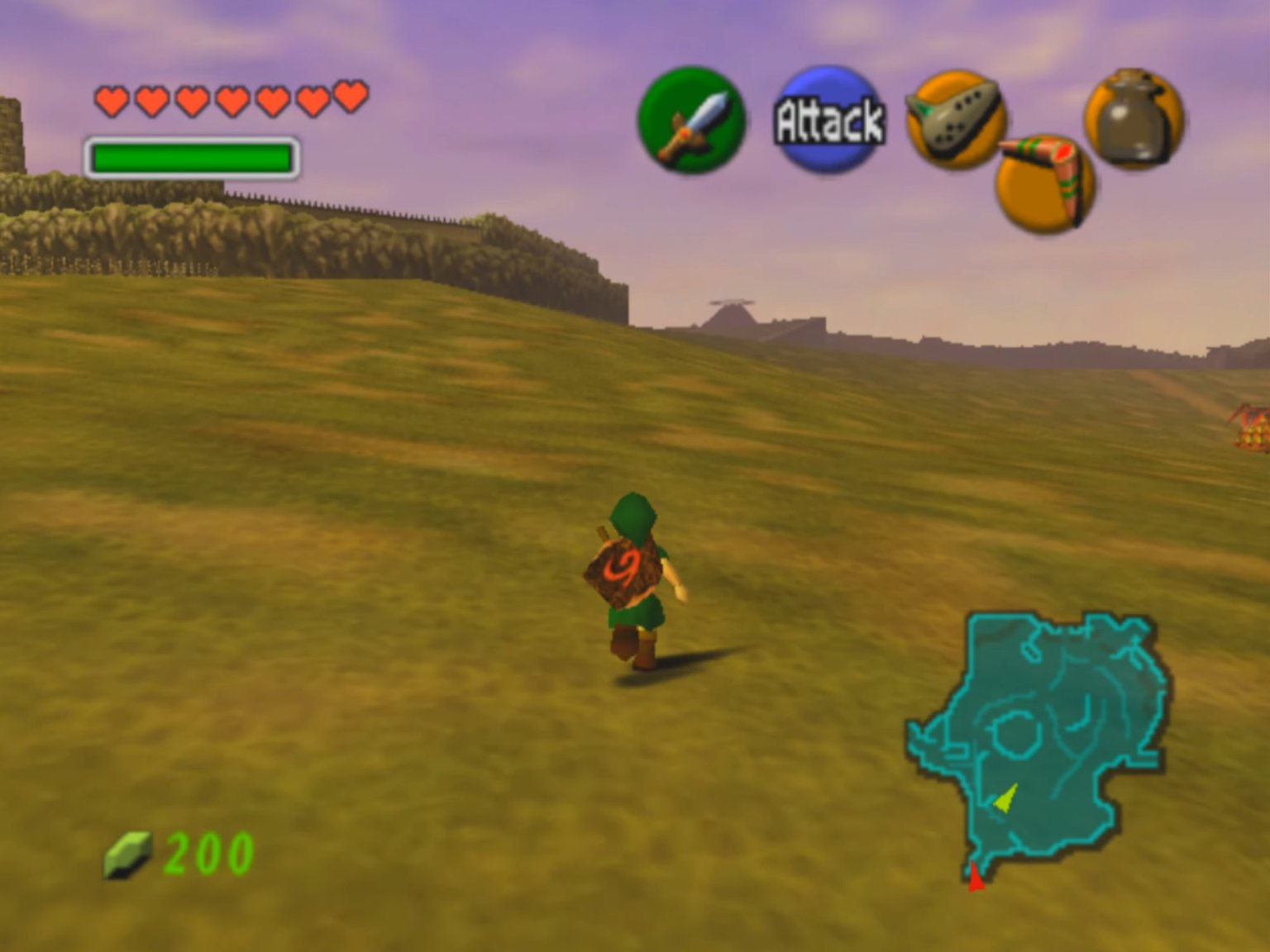
The first time Hyrule Field opened up in front of me, the camera swinging back to reveal a whole world with nowhere I urgently needed to be, I put the controller down and let the music finish before I moved, which is not how a child normally behaves around a brand-new game. I had saved up for that cartridge. Nothing I'd ever shoved into the N64 before it had handed me a space that big and then, astonishingly, trusted me not to wreck the place.
I was a Nintendo kid, which in 1998 was less a hobby than a declared allegiance. The boys with PlayStations in my Pausenhof had worked out that maturity looked like a grown man trapped in a haunted mansion, losing a knife fight with his own inventory screen, and they were kind enough to share this insight with me daily while explaining that 'The Legend of Zelda: Ocarina of Time' was a kiddie game. 'Resident Evil' was the adult choice, you understand, on the grounds that it had blood in it and the doors took four seconds to open, which is apparently what gravitas feels like. One of them once spent a whole afternoon failing to walk his man through a single doorway. I kept my opinions to myself and went home to the best game anyone has ever made. They could keep the mansion.
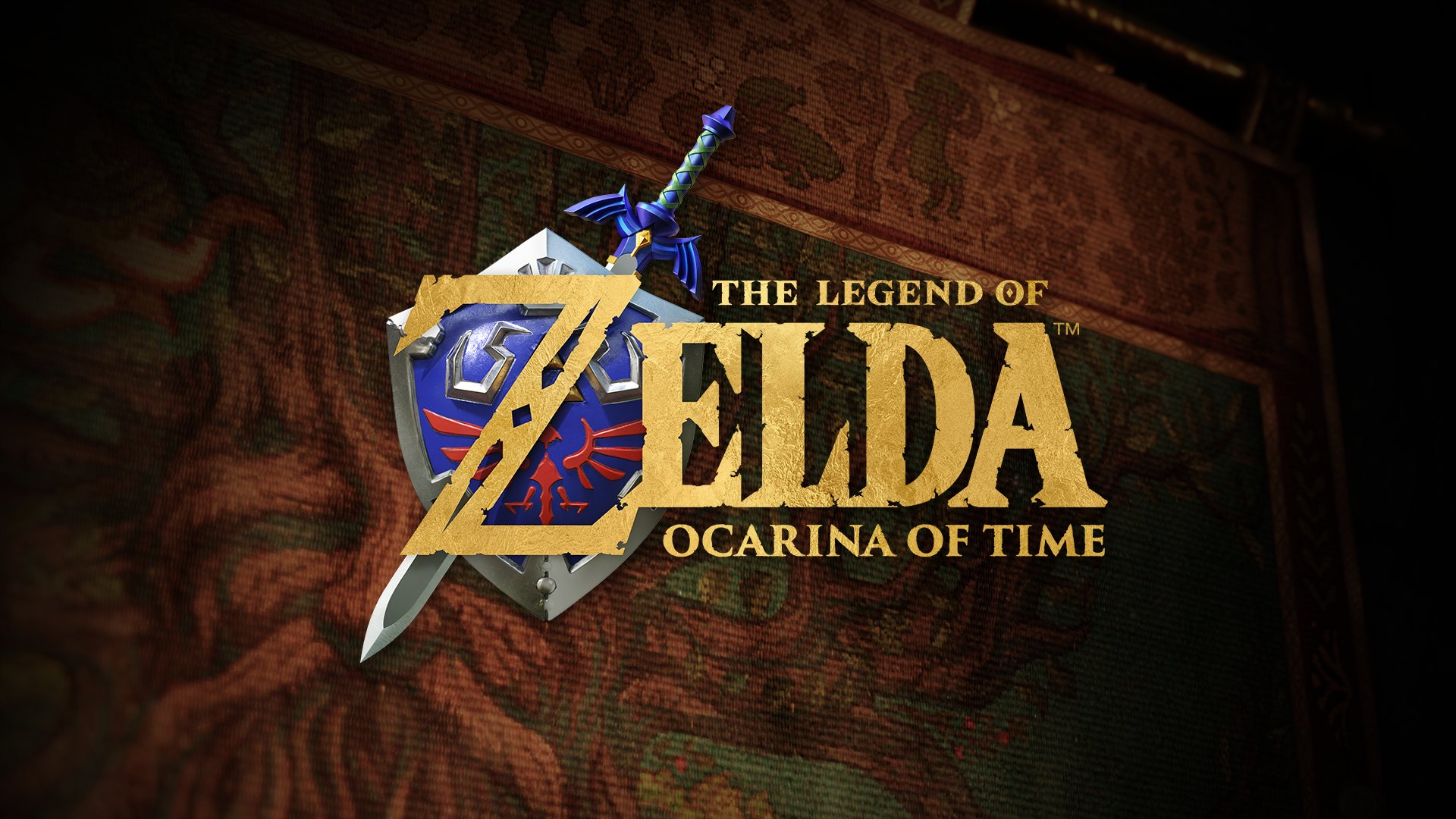
So I took it personally on Tuesday night, when Nintendo closed its June Direct by announcing that 'Ocarina of Time' is being remade for the Switch 2, out this year. The teaser showed no gameplay at all. What it offered instead was a swell of strings and a single promise: the N64 classic would be “reborn.” That one word is doing all the heavy lifting, because “reborn” is the term you reach for when you have firmly decided not to tell anyone what you have built.

The confirmed facts amount to almost nothing. It lands this year, on Switch 2 and nowhere else, with everything else promised “soon” and no studio yet attached to its name. Grezzo handled the 3DS remake of this very game back in 2011, which makes them the obvious bet, but Nintendo has confirmed nothing, so the rest is people guessing in public. The reveal also confirmed a leak that had been doing the rounds since March, from the same source who nailed the new 'Star Fox', which goes some way to explaining why the resurrection of the medium's sacred text landed with all the drama of a delivery notification. Everyone already knew. The only new thing in the building was the word.
“Reborn” lives in a carefully chosen gap. A remaster is the old game in nicer clothes, the same creaky skeleton under a fresh coat of paint. A remake knocks the thing down to the foundations and starts again, which means somebody, somewhere, has to make brand-new decisions about a game whose every decision was made in 1998 and then chiselled into stone. Nintendo has picked a word that promises neither and gestures at both, which is a neat trick, because the second you say “remake” out loud about this one, the next question is what you had the nerve to change.
It has held the top of Metacritic's all-time chart with a 99 for as long as the site has bothered to keep one, which makes the number less a review score than a commemorative plaque. It is also an Anglo-American artefact, the output of a review culture that exists to aggregate and crown, and it hardened into global received wisdom by being repeated until everyone got tired of checking. 'Ocarina of Time' is the greatest game ever made because the people who compile the lists said so, and nobody has had the appetite to reopen the file.
That is precisely the problem with laying hands on it. Remaking a cult favourite is a present to the people who adore it; remaking the agreed-upon summit of the entire medium is closer to bomb disposal in a room full of people waiting to tell you which wire you got wrong. The game already had a polish on the 3DS back in 2011, sharper and far easier to control, and even that gentle touch-up gets filed as a remaster by some and a remake by others, which should tell you how treacherous the footing is. A full rebuild has two available outcomes, both of them awkward. It either preserves the 1998 design so devoutly that you end up with a museum piece in better lighting, or it modernises the design and lets slip that the original does not play the way your memory has been promising all this time.
Go back to the N64 version with the nostalgia switched off and the camera will still pick fights with you, while Navi keeps up her tireless campaign to describe objects you are already staring at. The Water Temple has not mellowed with age. None of this bothered me as a boy, because I had nothing to hold it up against; a 2026 remake arrives with twenty-eight years of better design glaring at it, and the closer it edges toward feeling modern, the further it slides from the clumsy, magnificent thing that earned the 99.
'Final Fantasy VII Remake' showed that a beloved relic can be torn apart and rebuilt into something people happily argue about for years, so the form itself is not the villain. But 'Final Fantasy VII' was never the game the medium wheeled out to prove it deserved to be taken seriously. 'Ocarina of Time' is, and that is a far heavier object to drop and reassemble.
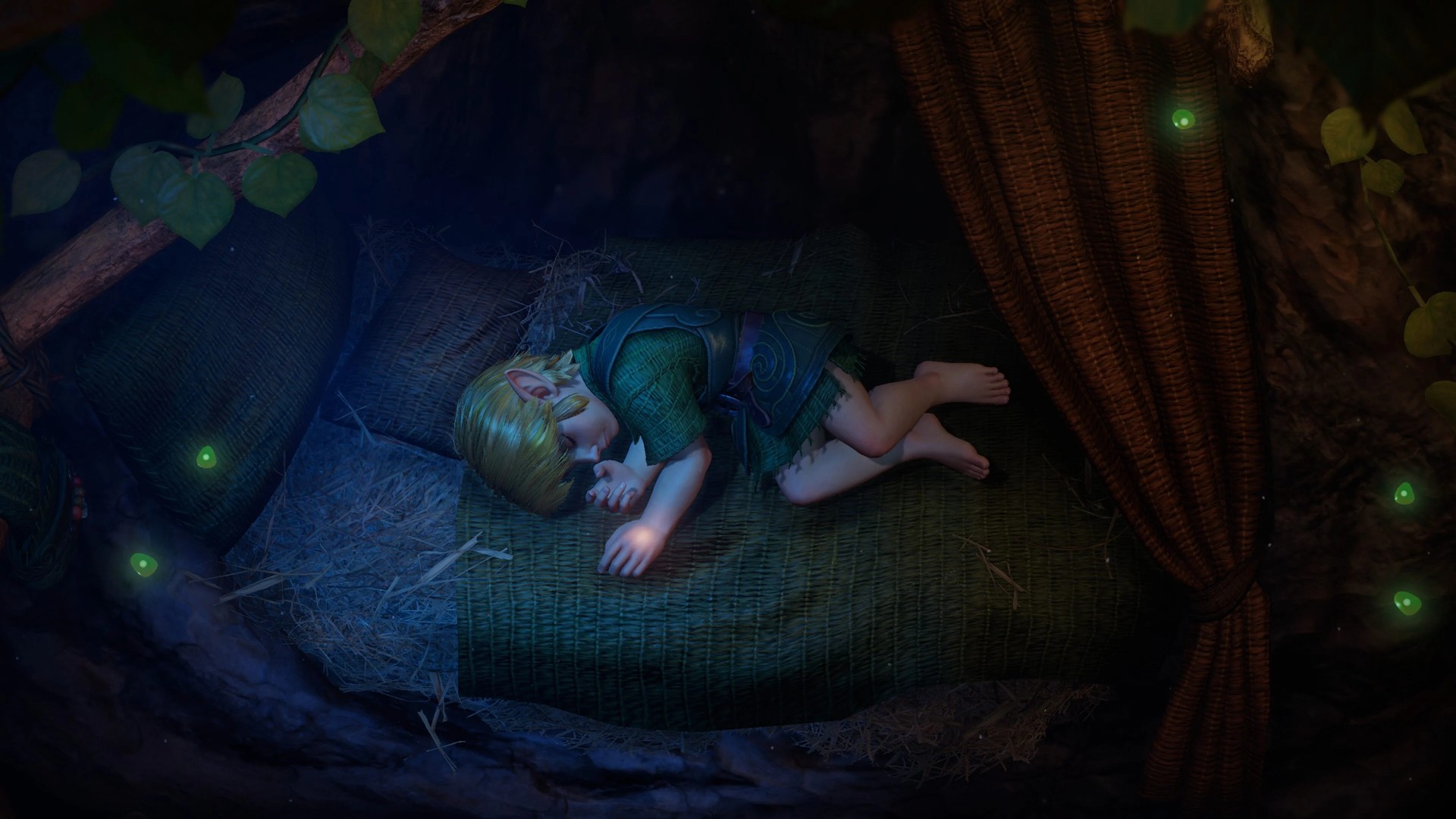
The one new image of Link they were willing to show gives the game away: a boy asleep, before the story starts, before any of it has happened yet. It is the most defensive frame available, a held breath, a way of promising that nothing has been settled and nobody needs to panic. When the real thing arrives later this year and somebody has, in fact, made the call, its loudest defenders will be the people who, like me, were exactly the right age in 1998, which makes us the worst possible jury. We are not reviewing a game. We are being shown our childhood bedroom with the furniture moved around, and asked, warmly, to agree that it looks better now.