Sheldon says his line, and then the shot just sits there. That is 'The Big Bang Theory' with the laughter stripped out, a thing people have been uploading for well over a decade and still make on TikTok, the most passed-around being an edit of a season eleven episode from 2018. The cast are performing into a reaction the edit deleted, so their timing keeps holding a door open for a laugh that never walks through.
The defenders have a real answer to this, and it deserves airing. The show was taped in front of a live audience, so those pauses are how multi-camera comedy gets built, and the same experiment performed on 'Seinfeld' curdles that just as badly. What the trick exposes anyway, and what no editor can be blamed for, is how often somebody says a proper noun and stops.
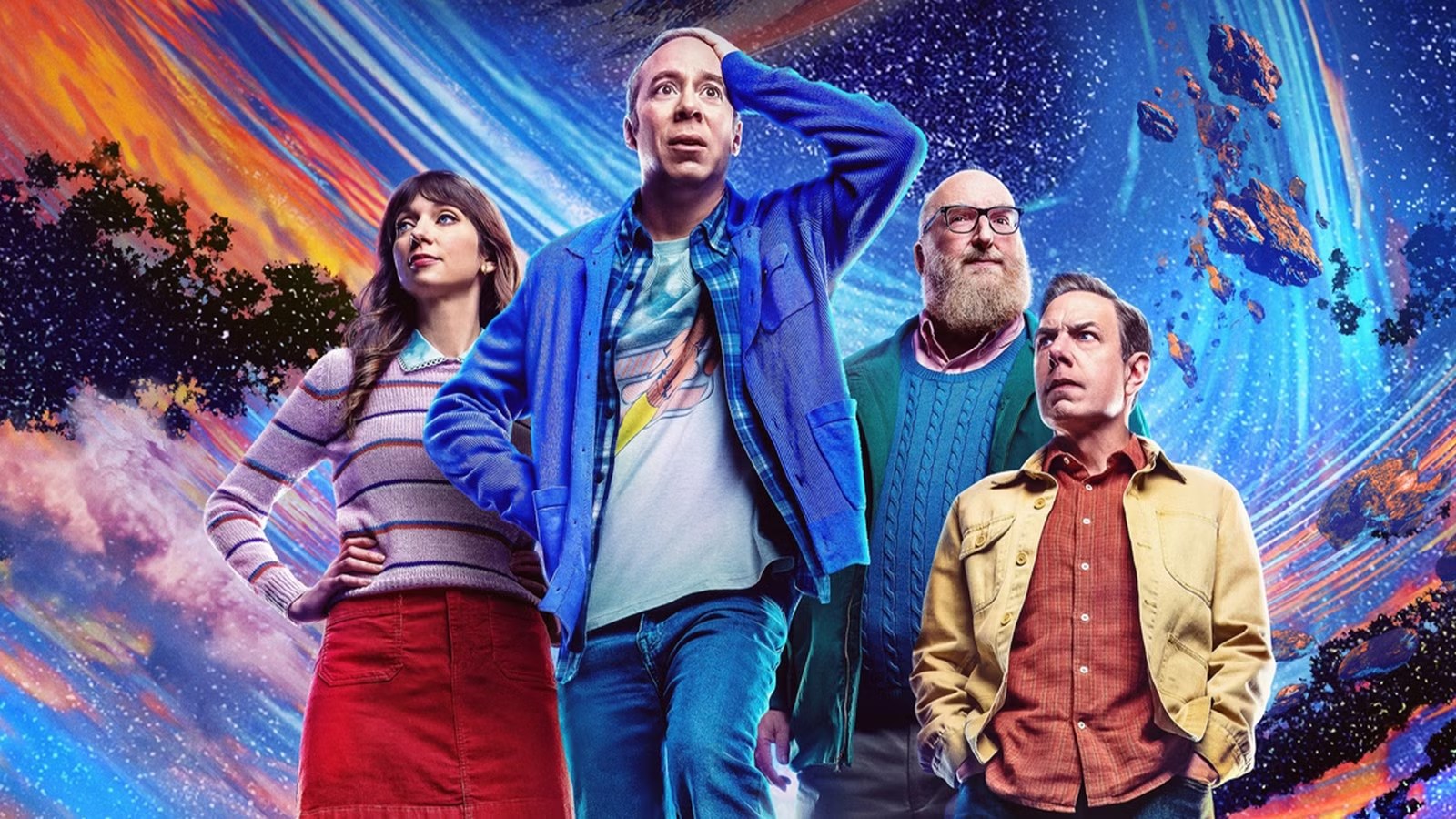
Now the franchise has adopted the demolition as house style. 'Stuart Fails to Save the Universe' arrived on HBO Max last night at nine, Eastern, without a laugh track, a first in its history. Nobody will tell you when the jokes happen. You’ll have to find them yourself, like an adult. Kevin Sussman returns as Stuart, the comic-shop owner from the original, who breaks a multiverse device built by Sheldon and Leonard, and off he goes across the wreckage of reality with his girlfriend Denise, Bert the geologist and Barry Kripke in tow. And because subtlety died somewhere around the second Avengers film, all of it landed, panel and floor activation included, on day one of San Diego Comic-Con, where the queue for Hall H starts forming the night before. I’ll get to the new show, and I’ll be fair to it, which is more courtesy than the mothership ever extended to the people standing in that queue.
Because 'The Big Bang Theory' was a catastrophe, and I’ve spent enough years saying so at parties to finally put it in print. It ran for 279 episodes, which is 278 more than the premise supported, and eighteen-odd million Americans watched every week, all of whom disagreed with me and none of whom I’ve forgiven. Naming a thing was the joke. A character says 'Aquaman' and the room certifies that comedy has, legally speaking, occurred. It sold the naming of things as wit for twelve seasons while Emmys piled up on Jim Parsons like snow on a parked car.
The part I minded more was the costume. The unkind phrase I reached for at the time, and I stand by it, was nerd blackface: performers in thick glasses doing a broad impression of a group for the comfort of an audience that would have dodged the real thing at a party. The whole architecture confessed it. Penny lived across the hall so the viewers had somewhere to sit, a designated normal person whose entire dramatic function was not knowing things. Meanwhile the merchandising arm handed out membership cards to the culture the writers’ room was mocking. By 2013 you could buy a Bazinga shirt in more or less every C&A in Germany, and a world people used to enter through years of reading became something you could put on at the till. ProSieben ran the reruns like a test card, afternoons mostly, so I’ve done my time with the German dub, where Bazinga needed no translation and the laughter needed no reason. Ask anyone who has slept on that pavement what the show understood about them. It’s a short conversation.
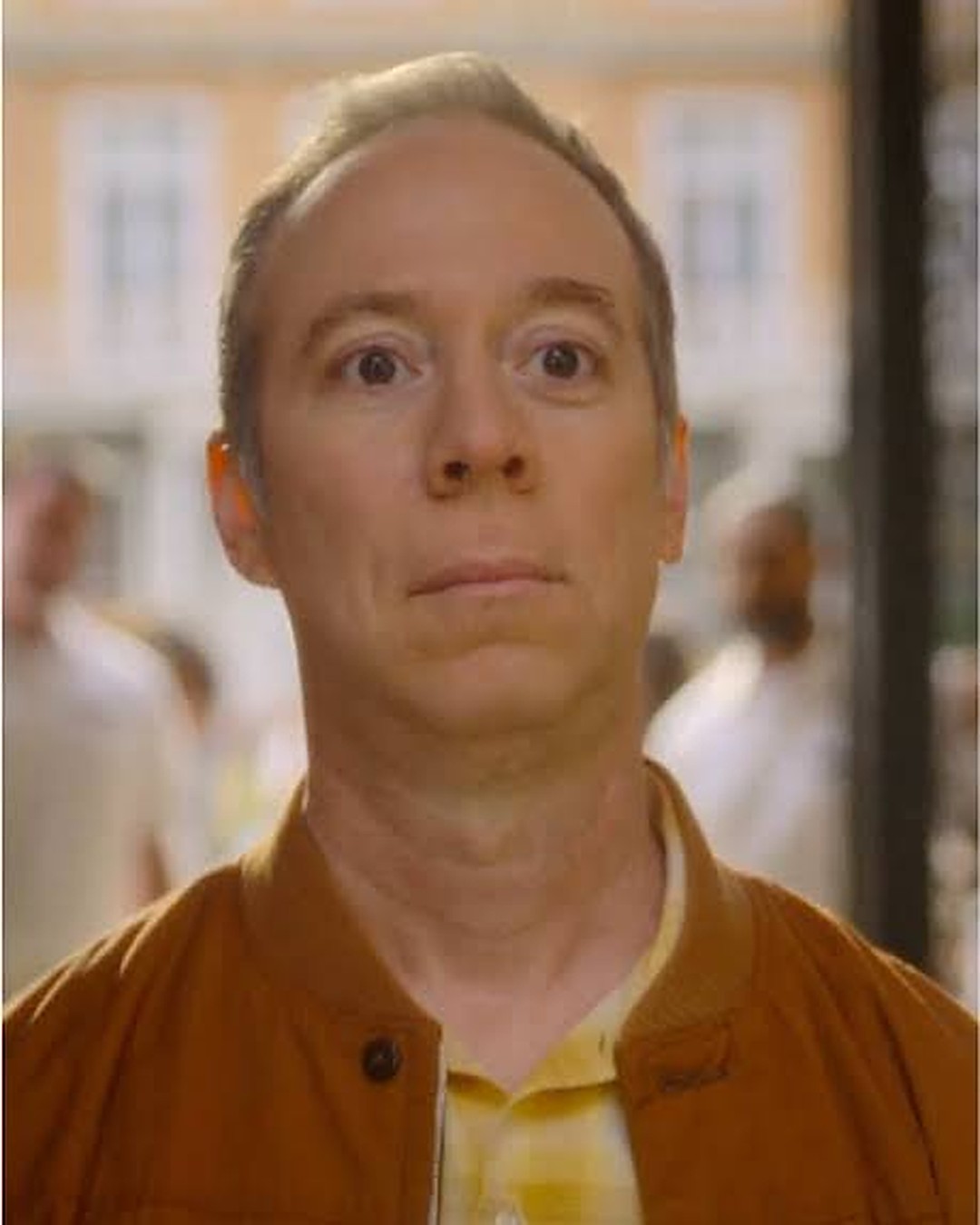
Stuart, meanwhile, was the original’s designated loser, broke and unloved in the corner of the shop while better-paid people collected the punchlines, and the new series hands him the entire universe to save, across ten episodes with swearing and gore, neither of which CBS would have allowed him. It’s the closest thing to an apology this franchise will ever issue, and I notice they made it to a fictional character rather than to the audience. As for whether it’s any good, the critics can’t agree, which is the most promising thing that has ever happened here. The Hollywood Reporter calls it "irredeemably sour" and says skip it. TheWrap calls it "strange but addictive" and wants a second season already. Rotten Tomatoes had it at 67 per cent as I wrote this, which for a Chuck Lorre production is roughly what Cannes feels like. More than one reviewer notes it leans on famous faces from alternate universes, and yesterday’s panel confirmed original cast members turn up in episode one, the sort of thing you build when you’re not sure anyone came for Stuart. I’ll watch tonight, obviously. Hating something since 2007 is also a relationship.
Yesterday afternoon, a few hours before the premiere, the cast sat on the Hall H stage and pitched a 'Big Bang Theory' series to the exact people the original spent twelve years selling. Felicia Day moderated, and Jim Lee turned up unannounced to promise DC characters in a later episode. Then they screened the pilot to a packed hall, which means that for the first time in the franchise’s life, whether anyone laughed was entirely up to the room, and every report out of that room describes a triumph. Fair enough. A crowd that devoted was always going to be generous. The test that matters started last night, on sofas, alone, where nobody laughs out of politeness and no track arrives to rescue a dead line. That’s the room the mothership never had to survive.