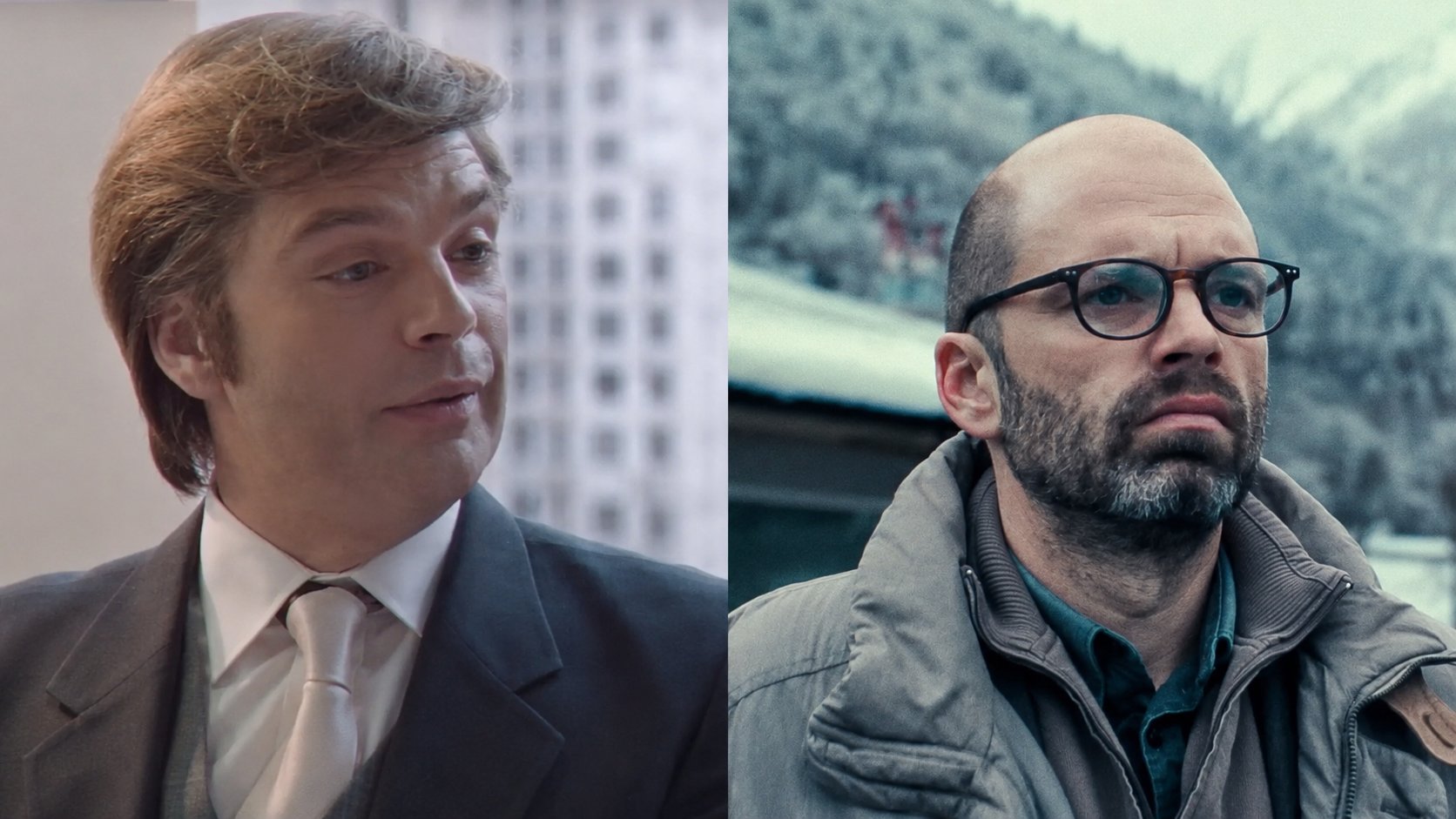
Last Tuesday, a reporter from The Hollywood Reporter asked Sebastian Stan how his understanding of Donald Trump had changed since he played him on the Cannes Croisette two years ago. Stan was at the press conference for 'Fjord', which had premiered the night before to a ten-minute standing ovation, and the room laughed at the question — the easy, slightly nervous laugh rooms full of journalists give when something lands too directly before lunch. Stan looked down at his hands, shook his head, and said: “It’s just not a laughing matter, to be honest. It isn’t. I think we’re in a really, really bad place. I really do.” Then he named the mechanism without raising his voice: media consolidation, the lawsuits and threats that drag on and go nowhere. The writing, he said, had been on the wall the whole time.
The laughter, if you’re curious, did not return.
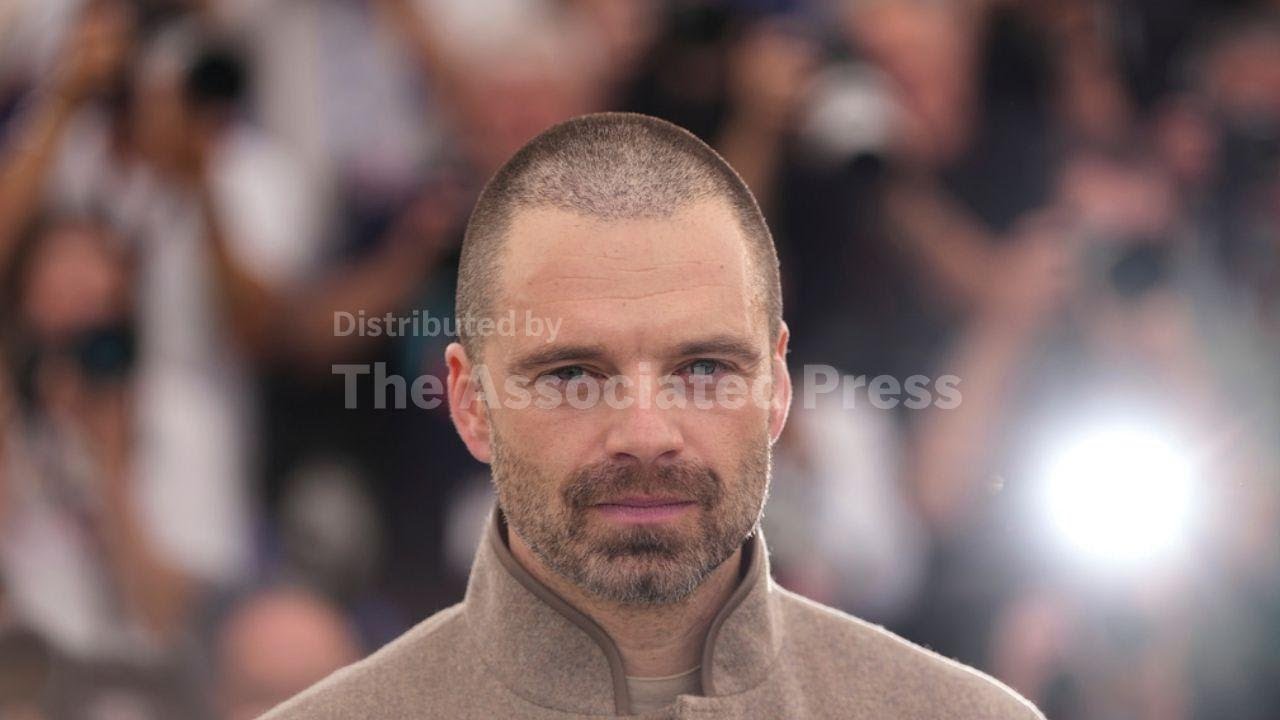
I haven’t seen 'Fjord' yet. By the time it reaches a screen in Stockholm I’ll have an opinion on the film itself, and this is not that opinion. What I want to talk about is the four days between Stan refusing to laugh on Tuesday and his director Cristian Mungiu collecting his second Palme d’Or on Saturday night, and the gap between those two events that a jury of nine cinephiles led by Park Chan-wook decided to bridge in the most flattering way possible.
Mungiu has been describing his film, in interviews leading up to the festival, as a meditation on “left-wing fundamentalism.” That is the actual phrase he used. 'Fjord' follows a Romanian Evangelical family in Norway whose five children are removed by Barnevernet, Norway’s child protection service, after the kids show up at school with marks. The father, played by Stan, is a Romanian software engineer who believes gay marriage is an affront to heaven; the mother, played by Renate Reinsve, is Norwegian and fresh off an Oscar nomination for 'Sentimental Value'. Reviews call it knotty and morally ambiguous. The jury called it the best film of Cannes 2026.
It is also the seventh Palme d’Or in a row for Neon, the American distributor that has quietly been collecting Cannes’s top prize for the better part of a decade: 'Parasite', 'Titane', 'Triangle of Sadness', 'Anatomy of a Fall', 'Anora', 'It Was Just an Accident', and now 'Fjord' — that is a hell of a Letterboxd list for one label, and the same one that has been showing up at the Oscars on a one-year delay. American studio films were absent from the main competition this year, and American indie films were shut out of every major award.
When the jury found something to crown, in the eleventh-hour rally that always saves Cannes from itself, what they reached for was a film treating Norway’s child welfare apparatus as worthy of grave moral skepticism. Barnevernet has been politically contentious in Eastern Europe for fifteen years, with Romanian and Polish families protesting outside Norwegian embassies from Bucharest to Warsaw the whole time. 'Fjord' drops into a real argument with a real history, and what it actually says inside that argument is a question I cannot answer yet. What the jury said by choosing it is a question I can.
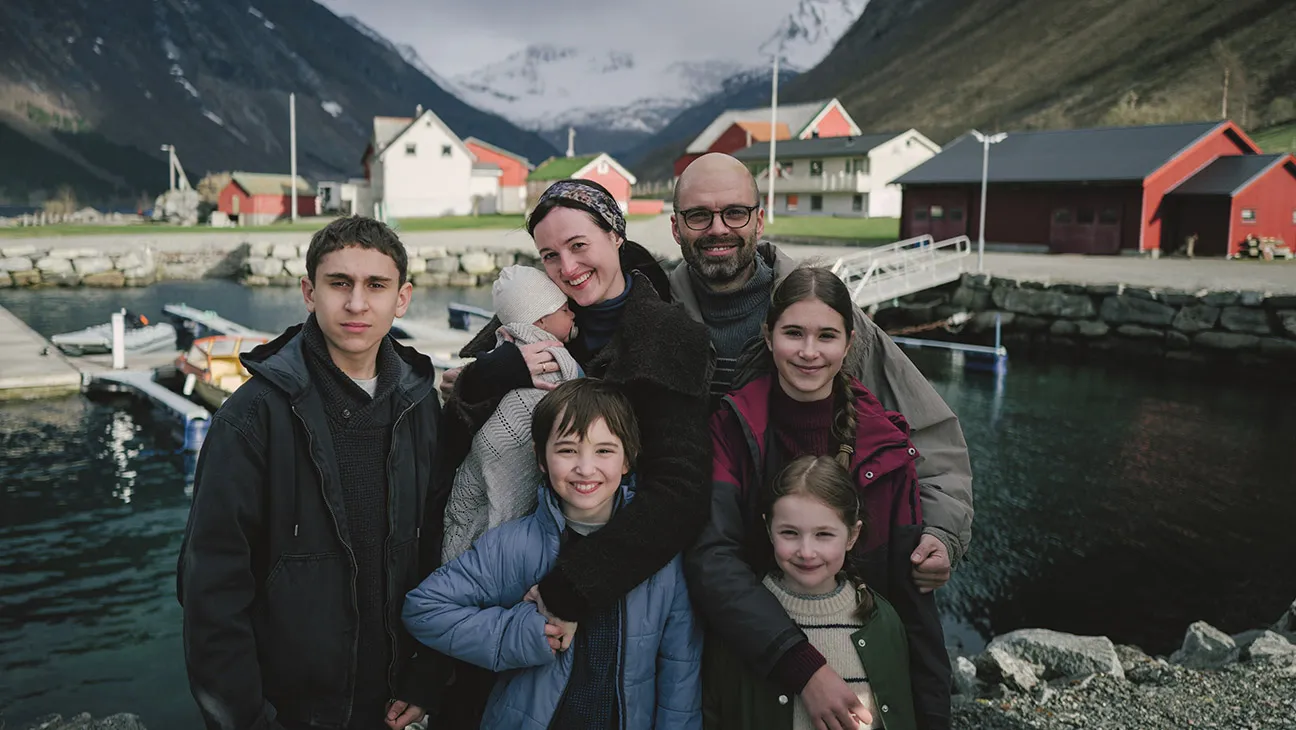
Mungiu’s own defense, repeated in his Saturday acceptance speech, is that 'Fjord' is “a pledge against any kind of fundamentalism.” Tolerance, inclusion, empathy: he listed these lovely words and gently urged the room to apply them more often. Then he walked off with the trophy. The director’s job at a podium is to be diplomatic, and Mungiu was diplomatic. What is harder to square is the room around him: an industry and a press corps looking at a film that treats Barnevernet as morally suspect, and calling that brave.
Brave was Stan refusing the easy laugh on Tuesday. Naming media consolidation while still under contract to Marvel is brave. Jafar Panahi, whose film won the Palme last year, has done actually brave things with his actual life, against a state that has repeatedly put him in prison for his films. Whatever 'Fjord' is, calling its scrutiny of secular European child welfare officers brave puts that scrutiny in a room with all of the above, and it does not belong in that room. The error is in the calling, not in the film, and it is the kind of category error that wins prizes at festivals but does not survive contact with anyone who has had to use the word “fundamentalism” in a sentence where their own freedom was at stake.
There is a Norwegian word, kos. It means a particular kind of domestic warmth with an ethical core, the cultivated coziness of a society that has decided to trust the social fabric it built. Barnevernet, with all its overreach and its well-documented mistakes, is downstream of kos: the assumption that the fabric is worth protecting even when the protection overshoots. Mungiu’s film, by every account I have read, treats kos as a soft mask for something colder underneath, and that is probably true some of the time. The prize Cannes handed out on Saturday, however, was not for noticing that. It was for the elegance of the noticing — for finding a way to be skeptical of progressive institutional power without once sounding like the people who hate it for much worse reasons.
That is a real skill, and one worth thinking about. It is just not the one Stan demonstrated on Tuesday. They don’t hand out Palmes for that.