Over the past two weeks, in cinemas across dozens of countries, grown adults paid actual money to sit in rumbling 4DX seats and weep over a cartoon jester having a nervous breakdown. The show has been free on YouTube the whole time. I've been grinning about it for days.
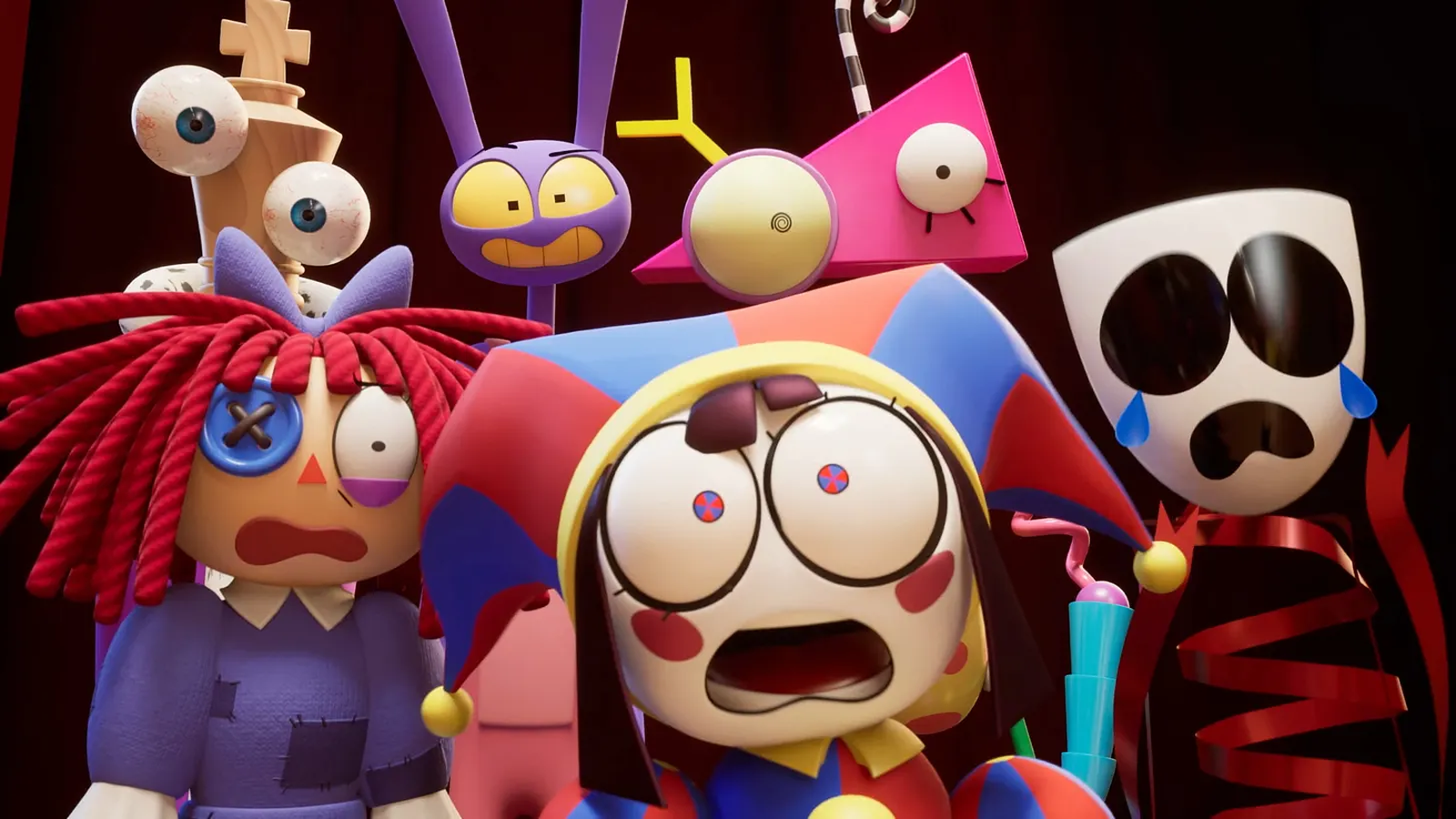
The show is 'The Amazing Digital Circus', made by a Sydney studio called Glitch Productions and cooked up by an animator who goes by Gooseworx. If you've got a teenager in the house, or you're the kind of adult who still watches cartoons and has made peace with that (hello), you know it already. A frazzled woman named Pomni wakes up trapped inside a lurid virtual circus, looked after by a beaming AI ringmaster who is mostly a floating pair of eyes and a mouthful of teeth in a top hat, working out too late that the exit she keeps spotting is a door he swears is only a hallucination. It's a comedy about being stuck inside a machine that won't stop telling you how much fun you're having. File that away.
'The Last Act', a feature-length cut welding the eighth episode onto a new hour-long finale, opened in cinemas on the fourth of June through Fathom Entertainment. The pitch was modest: a four-day event, nine hundred-odd American screens, in and out. The fans had other ideas. It blew up to more than two thousand theatres and a two-week run, and on its opening day it was the number one film in America. Then it went and topped the opening-day charts in Britain, France and Spain on the same weekend. Worldwide it has pulled somewhere around thirty-seven million dollars, which is sofa change to Disney and a small miracle for a studio that got started by asking fans to buy some merch so it could afford to make the thing.

Forget the money for a moment, because the better story is how it got there. Fans organised online to drag screenings into their own towns. A four-day stunt got stretched to a fortnight because nobody would let it close. And this is turning into a habit: A24's most successful film ever, 'Backrooms', also began life as a teenager fooling about on YouTube. The wall Hollywood spent a century building to keep people out is being ambled around by people who never asked to be let in.
The part that should be giving studio executives heartburn is how Glitch runs the shop. It funds its cartoons with merch and gives them away on YouTube, keeping hold of every creative decision. When Netflix came knocking, Glitch took a licensing deal and not an inch more, and the episodes still land free for anyone who wants them. The two brothers in charge started out making Super Mario joke videos in their bedrooms, and they've spent years repeating the same line, that they want to bring the kind of animation you'd usually have to import from Japan over here, and they're not asking permission. The box office is the receipt.
Then, having proved a free cartoon could sell out cinemas on four continents, they put the finale online for nothing on the nineteenth, exactly like every episode before it. The people who bought tickets weren't buying the show. They were buying a fortnight's head start and a reason to leave the house. You can watch the whole lot tonight for the grand total of zero, which is the price it has always been.
This reads sharper from over here, because the European result wasn't one loud fandom getting lucky on a Saturday. Topping a national box office with a dubbed cartoon, from a studio most film editors couldn't find on a map, is the kind of thing that is supposed to need a marketing budget the size of a mid-sized country. Glitch managed it one free upload at a time. And there's a joke buried in here the show itself would enjoy: 'The Amazing Digital Circus' is about people trapped inside a dazzling machine, run by an AI that promises them endless entertainment as long as they stop looking for the door. The people who made it found the exit the show keeps insisting isn't real, and left it wide open on their way out.
None of this works if the cartoon is bad, and it isn't. TheWrap's critic praised the finale for leaning all the way into the dread instead of bolting on a happy ending. But the lesson is sitting there regardless, free on YouTube, north of a billion views, parked right next to a mug you can still buy if you fancy saying thanks.