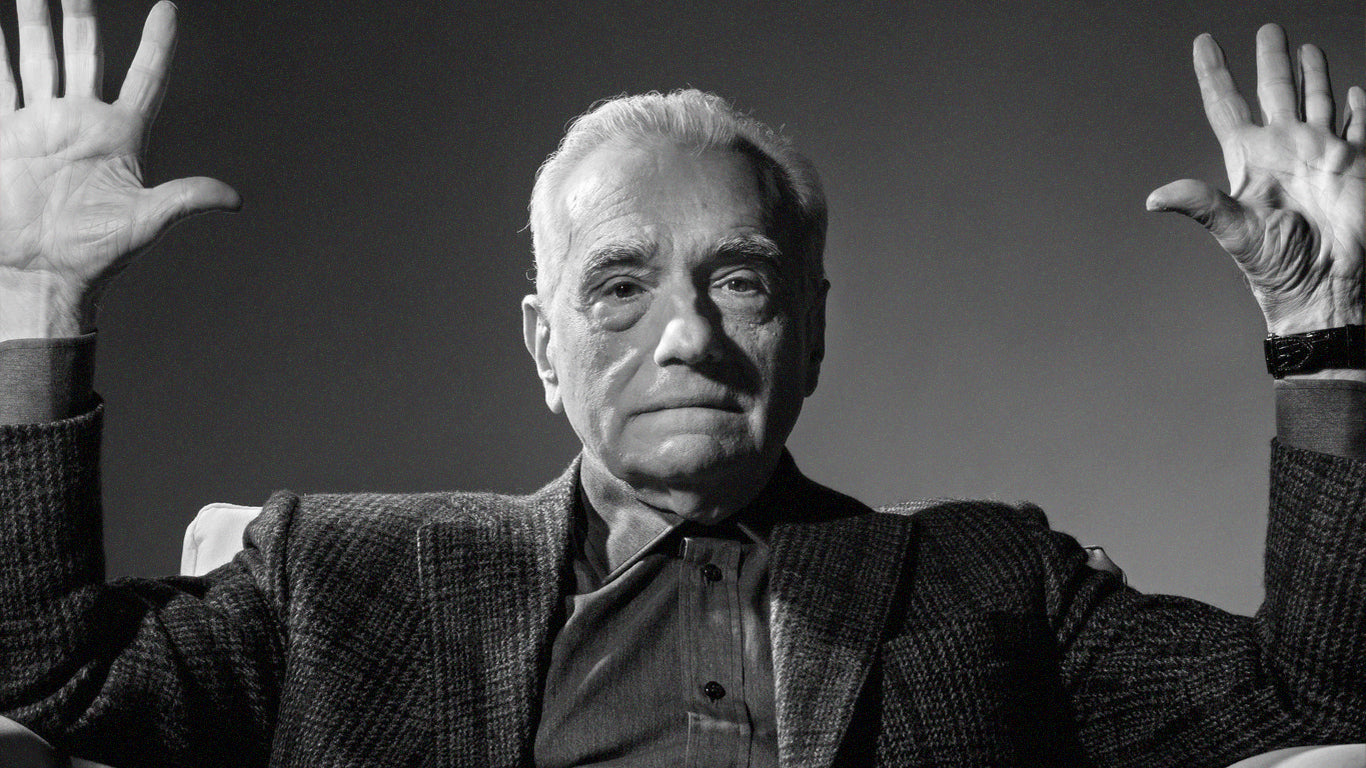
In the advert, Martin Scorsese sits in his New York office and wonders aloud how a director gets the picture in his head across to everyone else, and a German image model answers him, drawing a medieval street, the kind of thing an art director would once have spent a week sketching by hand. He watches it bloom out of the prompt and calls what the machine is doing a “cinematic intelligence.”
The easy version of this story is hypocrisy: the man who once called the Marvel films “not cinema” has lent his name to a machine that paints with everyone else's cinema. That reading is cheap, though, and the part that interests me is what his name was hired to do.
Black Forest Labs is a startup in Freiburg, near the actual forest, run by the people who built Stable Diffusion and then walked out to build it again under their own roof. Their model, FLUX, already draws the pictures inside Grok and patches the holes in Photoshop, and the company has been raising money at north of three billion dollars, which makes a phone call to Scorsese a rounding error. The model runs fine without him; what it cannot do, and what the company wanted, is supply its own absolution.
His defence is that this is a tool like any other. He shot 'Hugo' in 3D and de-aged his leads for 'The Irishman', and he points out, fairly, that cinema is barely a hundred and twenty-five years old and has to stay open to how it can evolve. He keeps the AI in pre-production, in the storyboards and nowhere near the final cut, so in his head the whole thing hangs together, which is precisely why it works for them. A director slipping a generated shot into his film would be a scandal, whereas a director using one to rough out a frame is just a craftsman with a new pencil, and a pencil is a far easier thing to sell.
Storyboarding is the cleverest place to plant the flag, the one stage no audience sees, where it is easiest to argue that nothing of value is going missing even as the machine edges a little closer to the set every quarter.
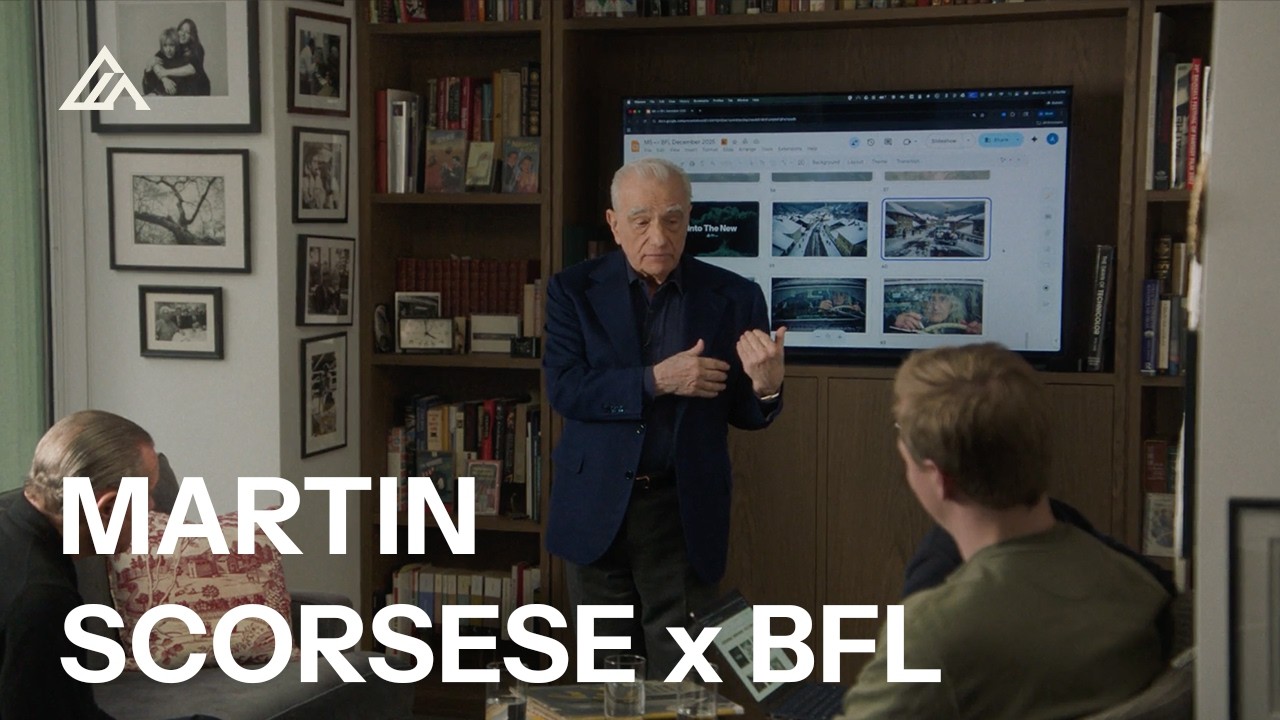
The Art Directors Guild, the union those storyboard artists belong to, answered on Tuesday in four words, “the business is not in flux”, and underneath the pun the objection is hard to wave away: the machine learned to draw that medieval street by being fed a colossal amount of other people's work, most of it taken without asking, so the job it now does for free is the one their members were doing last week. The “cinematic intelligence” Scorsese admired is a century of human cinema put through a sieve, and not one of the people who made the originals is in the room.
The sting is in the source, because he spent the back half of his career insisting cinema was a specific, breakable thing and built a foundation to haul rotting prints back from decay; he is also the man who called the superhero pictures theme parks, a line I have quoted at people in pubs. Now he is the warm human face on a campaign for the thing that turns those rescued prints into training data.
The director Boots Riley skipped the theory and guessed Scorsese had done it for the money, which might be unfair and is probably the most honest sentence anyone has managed on the subject.
A Freiburg company that sells itself to Europe as the sovereign, home-grown answer to the American AI giants reached back across the Atlantic for the one filmmaker whose name still means art instead of content. The street they could generate; the credibility they could not, so they rented it.
He has made a great many films about men who took something that wasn't theirs and felt fine about it afterwards. This time he is only narrating the trailer.