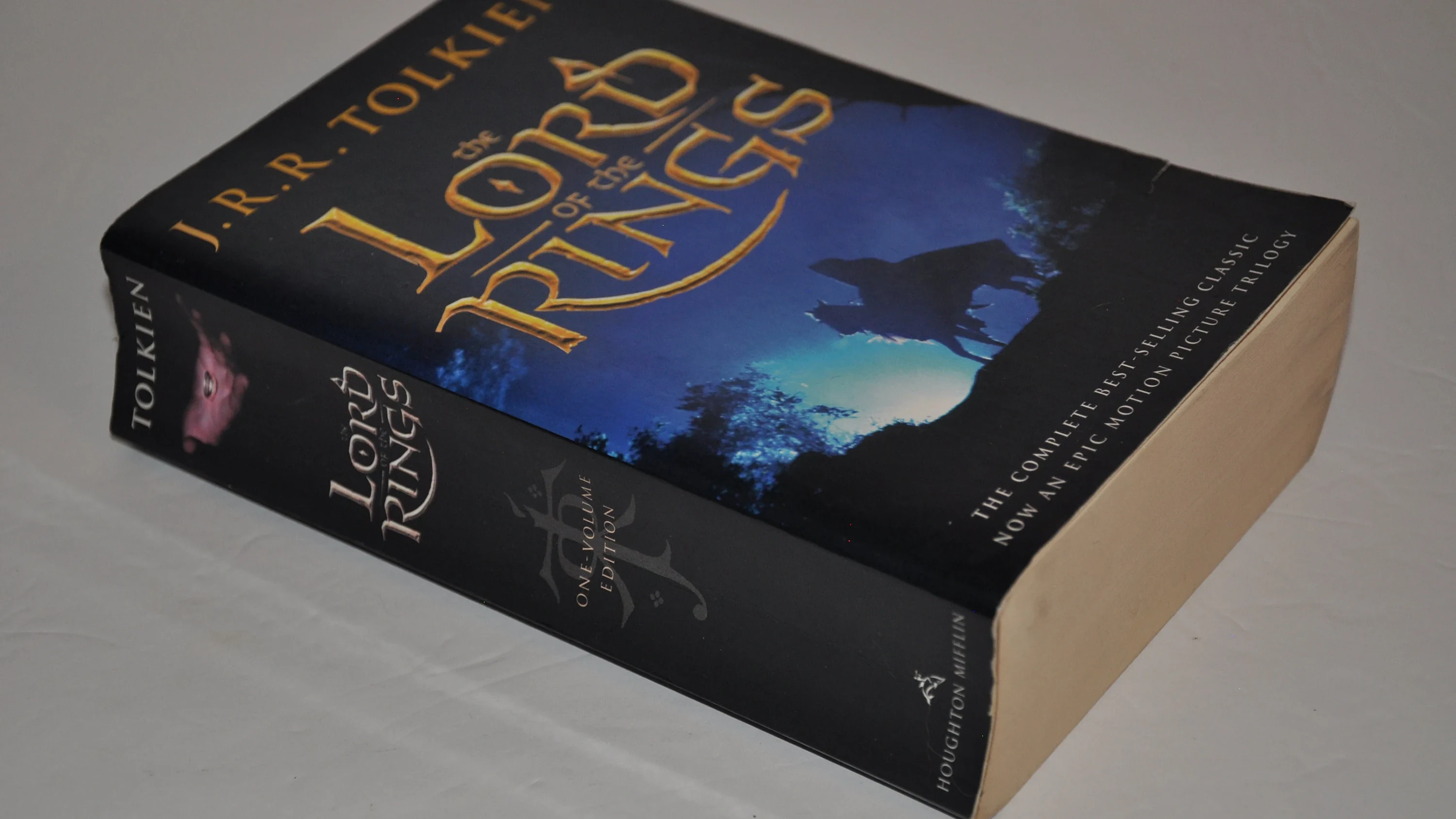
In 2000, one year before Peter Jackson's 'Fellowship of the Ring' arrived in cinemas, I read 'The Lord of the Rings' for the first time. It was slow. It was not boring. Those are two different things, and figuring out the difference took me about six weeks.
I'd grown up on genre fiction: sci-fi mostly, horror when I could find it, fantasy I was usually too embarrassed to recommend to anyone. I'd avoided Tolkien for years because every conversation about him included the word slow, and I had assumed slow meant boring. That's the kind of mistake you can only make before you know what a book like that is for.
Six weeks of evenings in bed and on trains whose destinations I no longer remember. Around the time the company crosses Caradhras and the snow starts winning, something happened. The book stopped feeling slow and started feeling like a place I was inside.
Twenty-five years on, the book is having a small online moment that I find more interesting than the Amazon series, the Rohirrim anime, or whatever Andy Serkis is filming next. People are reading it slowly, together. They've made a kind of ritual out of it. The headline example is a Substack called 'Many Meetings', named after the chapter where the journey first comes together in Rivendell. It has paying subscribers across 110 countries and dedicates twelve weeks of every autumn to working through 'The Lord of the Rings' at a deliberate pace: a chapter at a time, in conversation, with the explicit rule that no one skips ahead.
The slowness is the structure
Most great novels can be binged. You can rip through 'Anna Karenina' in a week if you set your mind to it. 'Beloved' can be finished in an evening of dedicated reading. 'The Lord of the Rings' doesn't really work that way, and I don't think that's an accident of length. It's an accident of design.
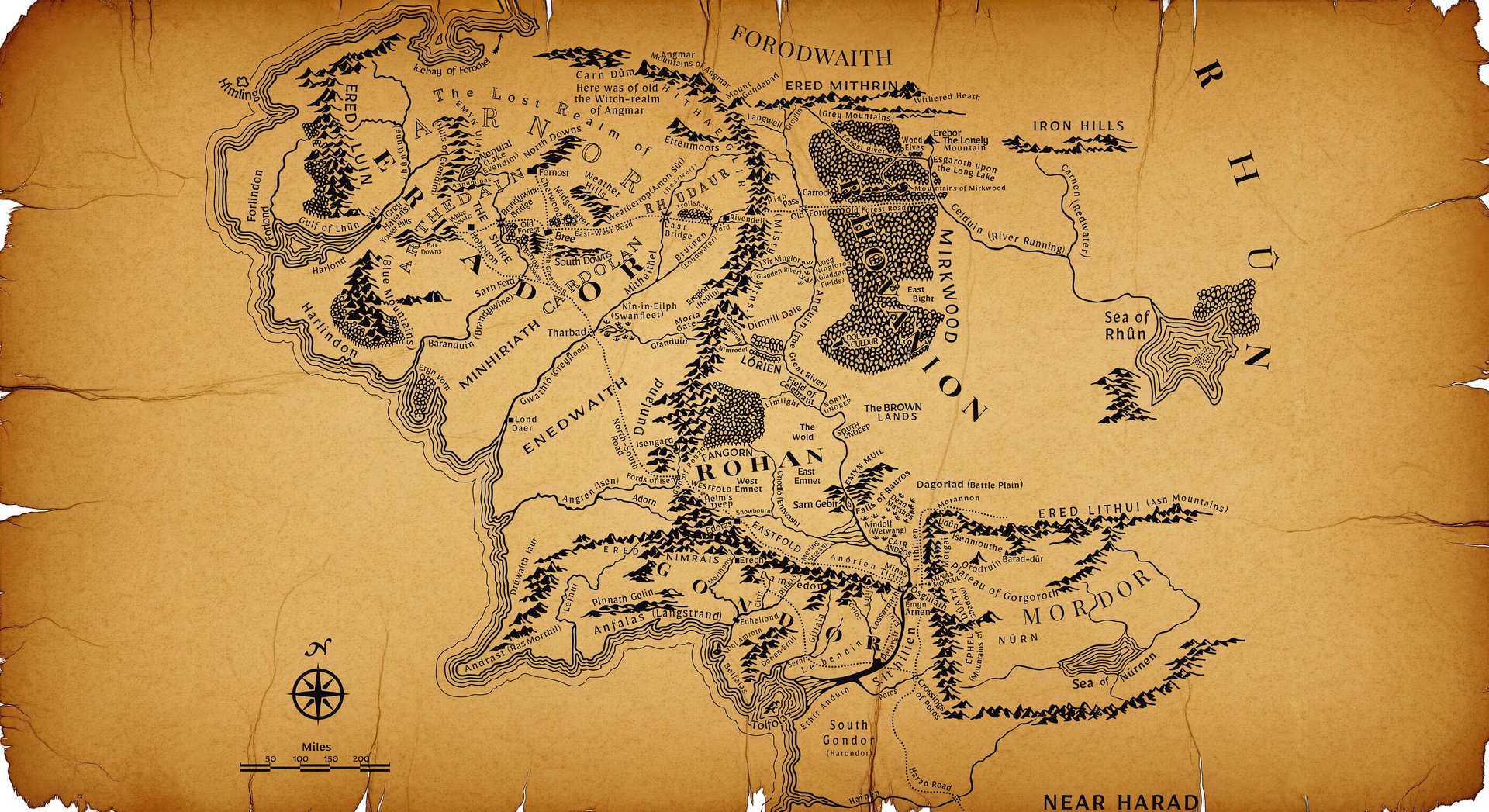
There's a structural slowness built into Tolkien. The songs sit on the page like obstacles — no adaptation has figured out what to do with them. The main text breaks repeatedly for genealogical asides, and the appendices at the back of 'Return of the King' add another hundred-plus pages of family lineage and Elvish grammar after the story has formally ended. Most of the dramatic peaks fail to land where you'd expect them to land. The Battle of Helm's Deep ends about three pages after it starts. Pippin's first day in Minas Tirith, getting to know Beregond and asking about meal schedules, takes more pages than the actual siege. The destruction of the Shire — the most politically charged event in the entire trilogy, the moment when all the heroes' work proves not to have saved their actual home from being industrialised by a small-time tyrant — happens in twenty-three pages tacked on after the King has been crowned. Peter Jackson cut it from the films. Most adaptations cut it. Reading the book the long way, you understand why Tolkien refused to.
Reading it the way the slow-reading communities read it puts you on a kind of long walk with the text. Three months with the same characters changes your relationship to them. The gaps in the narrative start to look like architecture rather than mistakes. A chapter that ends on a long descriptive passage about geography stops being odd and starts being the point. None of that translates into adaptation logic. None of it survives the streaming era's editorial demand that something exciting happen by the eighteen-minute mark. The book has aged in a strange way because the broader culture has accelerated around it faster than it has aged inside itself.
What a fast reading hides
The political appropriation of Tolkien depends entirely on a fast reading. Italian PM Giorgia Meloni cut her ideological teeth at neofascist Hobbit Camps in the 1970s; the more swastika-adjacent corners of the 'Rings of Power' fandom have been leaning on the same Tolkien for years. To get the reactionary version, you have to read the book as a clean fable about good triumphing over evil. The actual book makes that reading hard. The narrator is openly unreliable about his sources. The appendices spend pages worrying about whether Aragorn's reign was actually that great. Éowyn rebels against patriarchal cages, gets her battlefield moment, and is then married off in a coda the book itself stages as inadequate to her. Sam returns to a Shire he barely recognises and watches his friend Frodo sail away because Frodo cannot live in the world he saved.
The slow-reading communities seem to get this. Read fast, Tolkien gives you a reactionary fable. Read slow, he gives you a book openly arguing with itself, page by page. The phenomenon is wider than just Tolkien. 'Dracula Daily' has been emailing Bram Stoker's novel out to subscribers every May to November since 2021, peaking at around 240,000 subscribers; 'Whale Weekly' does roughly the same thing with 'Moby Dick'. Substack book clubs of every register have proliferated. But Tolkien is the one I keep coming back to, because the book itself is doing the work.
The 'Many Meetings' group worked through 'The Lord of the Rings' over twelve weeks last autumn. The 2026 schedule has them reading it again, starting September 22 — Bilbo and Frodo's birthday in the book, the day the story itself opens — and finishing December 15. Three months of reading and the kind of group conversation where someone texts you at midnight saying “come look at this bit.” Compared to what currently passes for cultural conversation online, this is unreasonable. It also turns out to be the only mode in which the book makes proper sense.
Slot machines for books
I think about this when I see the slot machines streaming culture has built around its biggest books. 'The Wheel of Time' got a polished Amazon series nobody watched twice; 'The Witcher' cycles to a fourth season with a recast lead, having lost the actor who cared about the books. Meanwhile 'House of the Dragon' runs a cliffhanger every episode because someone in a marketing meeting decided the audience couldn't be trusted with anything else. You can spend three years making the trilogy and a billion dollars on a prequel series about elves nobody had heard of. You can announce another animated film. The book doesn't move.
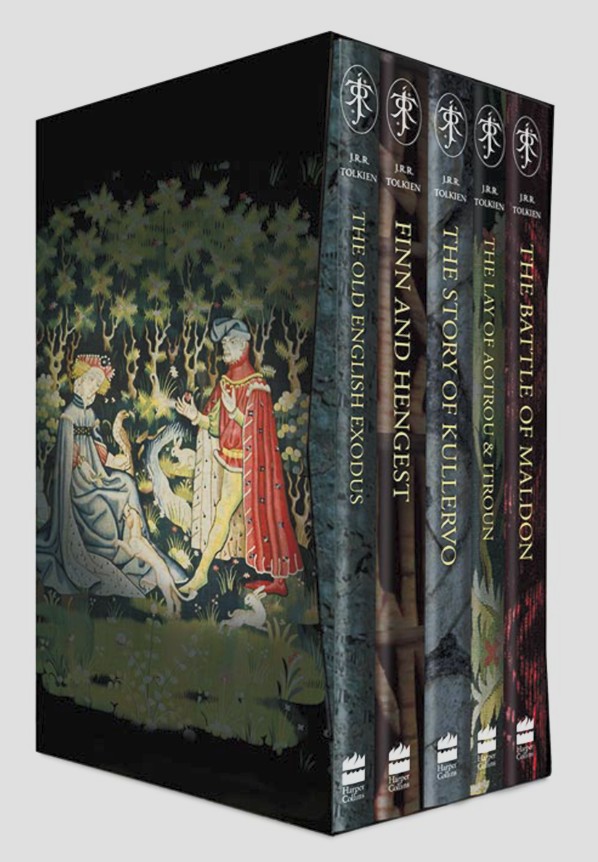
This month HarperCollins released the seventh volume of the Christopher Tolkien Centenary boxed sets. Tucked into it, almost unnoticed by anyone outside Tolkien scholarship, is the first reprint of Tolkien's translation of the 'Old English Exodus' since 1982. Forty-four years between editions, in a world where most cultural objects last about three weeks. There's no streaming version. There's no franchise extension coming for it. You can buy it. Whether you can sit with it long enough to actually read it is a separate question.