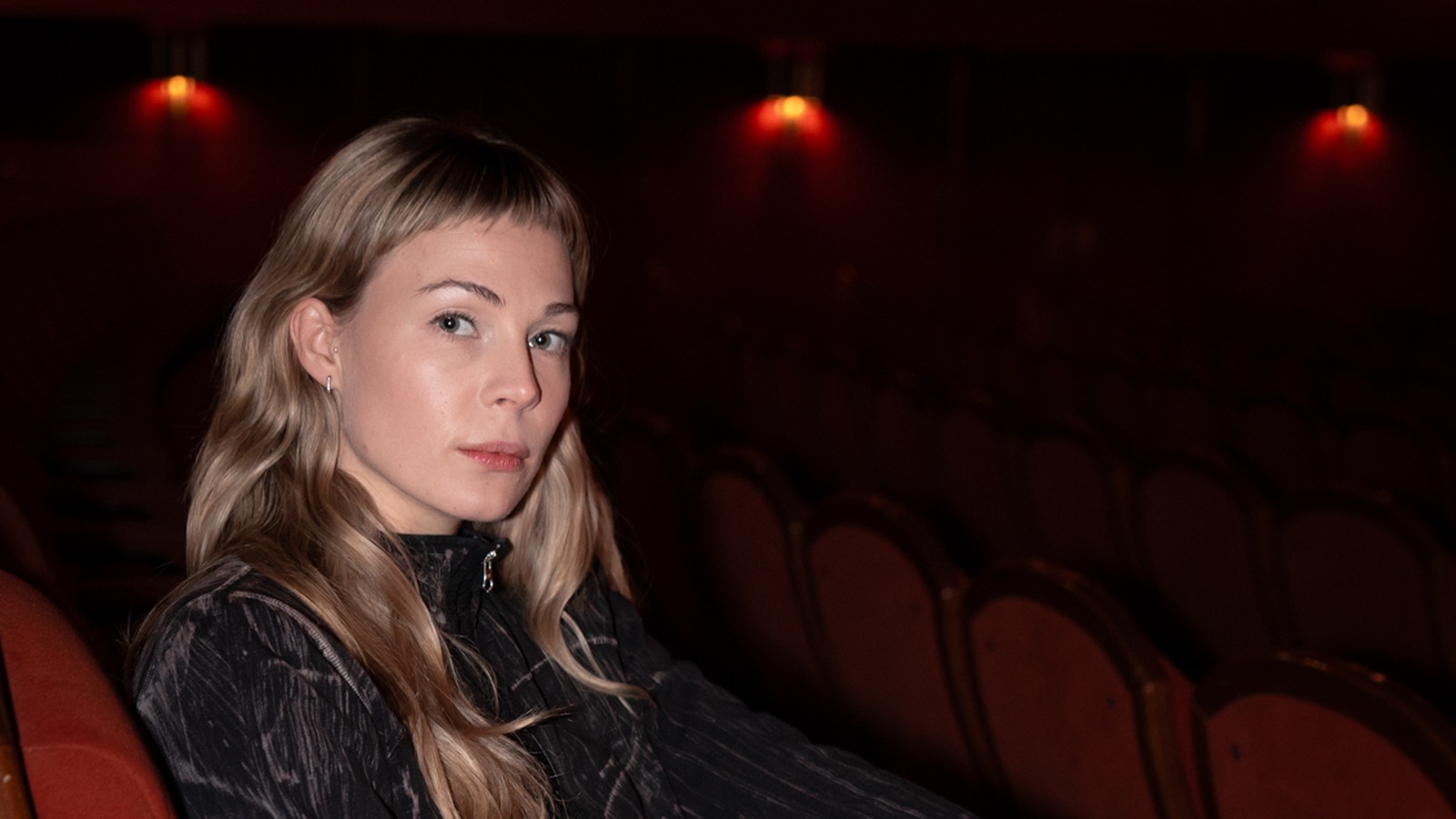
I asked Beatrice Karlsson, programme director of the Stockholm International Film Festival (SIFF), to recommend one film from this year's programme. She had 130 to choose from, although I'd ruled out the opening and closing films and any of the big names. Surely she could pick one.
She declined. Instead, she suggested spending a Saturday or Sunday watching three films in succession, preferably without knowing much about any of them.
“Go in blind,” she told me. “Don't really know that much about the films, and be open to the experience.”
I rather liked that answer. At a time when I can find out a film's entire plot, ending and critical reception before buying a ticket, the idea of spending an afternoon in a cinema with no particular expectations sounds almost irresponsible. It also sounds wonderful.
SIFF's 37th edition runs from 11 to 22 November, bringing 130 films from 60 countries to the Swedish capital. Martin McDonagh's ‘Wild Horse Nine’, a darkly comic CIA thriller starring John Malkovich, Sam Rockwell and Steve Buscemi, opens proceedings. Swedish acting legend Lena Olin will receive the Stockholm Lifetime Achievement Award, while John Turturro, whose career has taken him from ‘Barton Fink’ to ‘Severance’, is being honoured with the Stockholm Achievement Award.
The festival also continues its commitment to emerging talent. Eighteen films compete for the Bronze Horse in the main competition, while the TV4 Rising Star Award celebrates promising Swedish screen actors, with Lena Endre and Alexander Abdallah among this year's jurors. There's a programme spotlight called ‘Daddy Issues’, devoted to the changing role of fathers on screen. Somebody at the festival has clearly been paying attention to what filmmakers are working through in therapy.
It's an attractive line-up, and the big names will undoubtedly draw crowds. But talking to Karlsson after Wednesday's programme presentation, I got the impression she'd be particularly pleased if audiences took a chance on something they'd never heard of.
A documentary about concrete. It looks hilarious.
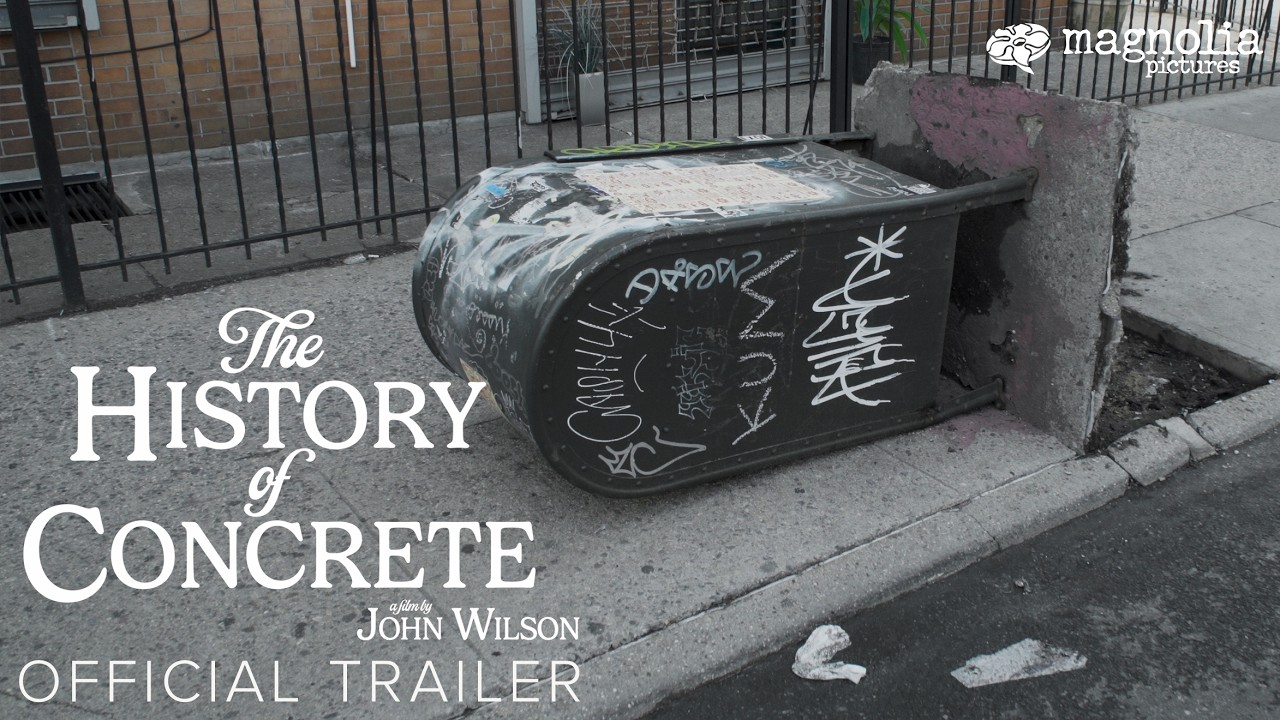
One of the films that caught my attention during the presentation was ‘The History of Concrete’. I hadn't expected a documentary with that title to make me laugh, but the footage shown at the press conference suggested otherwise.
The filmmaker is John Wilson, whose HBO series ‘How To with John Wilson’ developed an extraordinary talent for finding absurdity in ordinary life. His camera can turn a mundane encounter into something you couldn't have invented, usually without anyone involved appearing to realise how funny it is.
Karlsson was delighted when I brought up the film.
“It's an incredibly funny film,” she said, pointing to Wilson's trademark deadpan humour. She was particularly looking forward to seeing it with a full cinema audience.
That last detail matters. Wilson's comedy often depends on noticing something peculiar and allowing it to develop at its own pace. Watching other people discover the joke alongside you could be half the pleasure.
I mentioned the chewing gum moment from the trailer above. She laughed in recognition. It was a small exchange, but it confirmed that the festival's enthusiasm for the film wasn't difficult to share.
At the other end of the programme sits another filmmaker who has made an art of making audiences uncomfortable.
Nathan Fielder gets the last word
‘You Can See Everything’, in which Nathan Fielder moves in with disgraced Theranos founder Elizabeth Holmes shortly before she goes to prison, will close this year's festival. Co-directed with Lance Oppenheim, the documentary sounds like a natural fit for Fielder, who has spent years finding the point at which comedy becomes so uncomfortable that laughing starts to feel like a questionable decision. It's a peculiar choice for a closing-night celebration, which is precisely why I wanted to ask Karlsson about it.
She explained that the decision is unusual in SIFF's history. During her time there, she couldn't recall a documentary previously serving as the closing film.
“I think we couldn't have ended the festival in a better way,” she said.

Part of the attraction is the mystery surrounding the film. Its first screening at Telluride was a surprise, and Karlsson described it as one of the year's most secretive releases. After twelve days of cinema, Stockholm will finish with something audiences may still struggle to pin down before the lights go out.
It's a rather appealing prospect. You can spend the festival reading programme descriptions and arranging your schedule with military precision, only to end up watching something that refuses to tell you what you're in for.
Films worth arguing about
Karlsson and her colleagues begin work on the next edition almost as soon as the previous festival ends. Planning for 2026 started back in December. By the time the programme is announced, they've spent the better part of a year watching films and considering who might want to see them.
I asked whether she'd encountered a film that reminded her why she fell in love with cinema.
She immediately pointed towards the Stockholm Competition, which focuses on filmmakers making their first, second or third features. The originality of this year's entries had impressed her, particularly ‘Everytime’ by Sandra Wollner.
Karlsson described a film that brings together its director and a cinematographer associated with ‘Aftersun’, creating an emotional and psychological landscape in Tenerife. What excited her was the way it experiments with cinematic form.
For Karlsson, films like this are evidence that cinema keeps finding new ways to tell stories. It was the most animated part of our conversation about the competition, and I could see why she wanted audiences to discover it.
Her approach to programming also allows for disagreement. When I asked about films audiences might misunderstand, she talked instead about films that divide people.
Karlsson said some people would love a film while others would hate it. “I think those are very good festival titles,” she added.
I agree. A festival where everybody leaves every screening politely satisfied sounds like a rather dull place to spend twelve days. Some films deserve an argument afterwards, preferably somewhere with a drink.
Three films and an afternoon to spare
Karlsson's advice to go in blind makes particular sense coming from someone whose job involves watching far more films than most people ever will. She knows what it's like to discover something without an established reputation telling her how to feel about it.
She also knows that different films need different audiences. During our conversation, she explained that the programming team doesn't necessarily have to agree on every selection. What matters is whether they can imagine an audience for it and give that film the attention it deserves.
That strikes me as one of the more useful things a festival can do. Plenty of worthwhile films arrive without famous actors or recognisable titles. For twelve days, SIFF gives them a cinema, an audience and the possibility of being someone's favourite discovery of the year.
Karlsson told me that some of her own best festival experiences have involved seeing two or three films in succession and immersing herself in the stories.
I'm tempted to follow her advice. I'll probably still look up the screening times and make sure I can get home afterwards. But choosing three films I know almost nothing about, then spending an afternoon finding out whether they're any good, sounds like an excellent way to visit this year's festival.
And if one of them turns out to be terrible, at least I'll have another two to look forward to.
The 37th Stockholm International Film Festival takes place from 11 to 22 November 2026. The programme and ticket information are available on the festival website. For more Stockholm film reporting, see our earlier ‘Children of Men’ story.