Hasbro has spent part of 2026 apologising for killing Optimus Prime, a mere forty years after the fact.
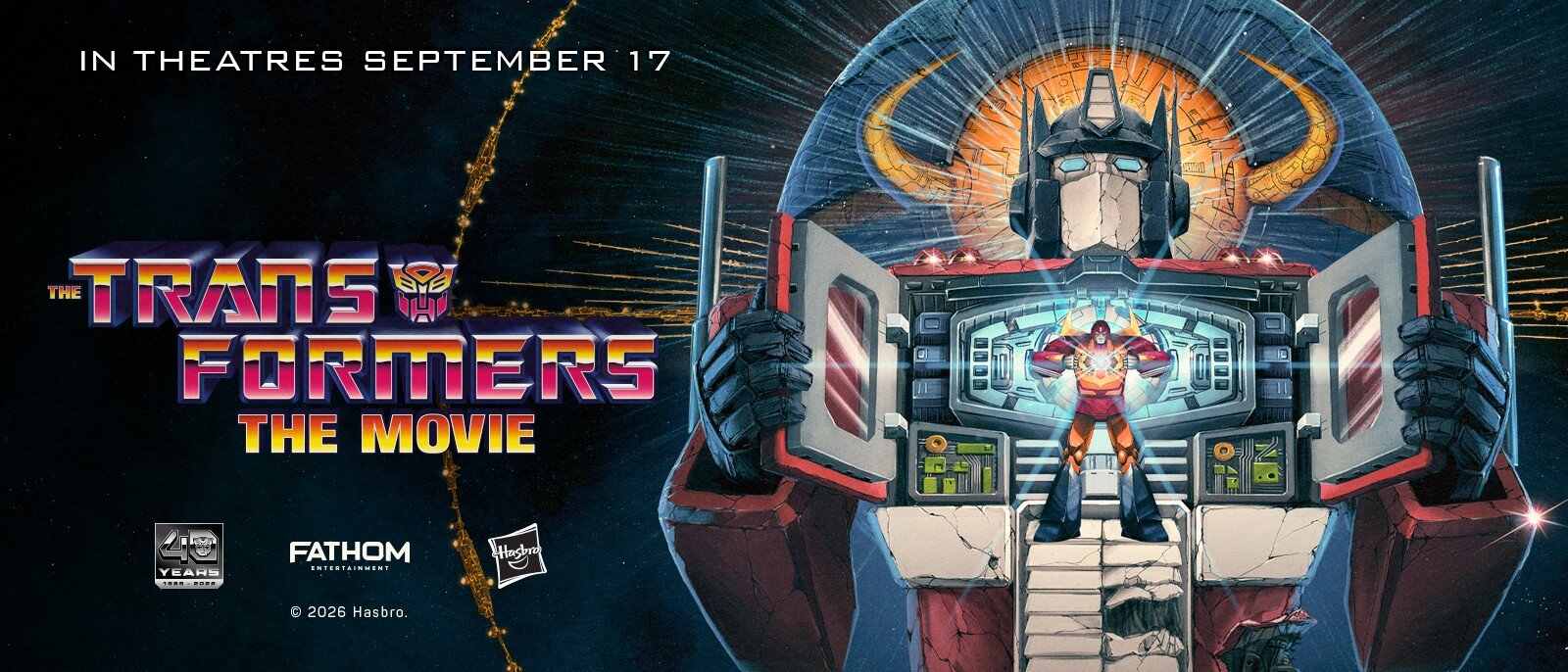
The company has actually called the anniversary campaign for ‘The Transformers: The Movie’ its ‘Apology Tour’. The film is back in cinemas in 4K, followed by a new twelve-minute short called ‘Optimus Prime: Awakening’. Peter Cullen recorded new dialogue for it before his death in August. Hasbro says it contains his final original performance as Optimus.
The apology exists because the decision in 1986 was brutally simple. ‘The Transformers: The Movie’ had to introduce the next generation of toys. Some of the old characters therefore needed to stop occupying shelf space.
Story consultant Flint Dille later described the logic with almost beautiful innocence. Asked whether Optimus had to die because Hasbro wanted to replace the old product line, he said yes. They simply had not expected anybody to be particularly upset.
This was after two years of a television series devoted to making children particularly upset about exactly this sort of thing.
The movie itself does not treat Optimus like discontinued inventory. Megatron wounds him in battle, the Autobots gather around his bed and his body slowly turns grey as he dies. For a decision originating somewhere near a product roadmap, they gave it the full funeral.
Peter Cullen was a large part of the problem. His Optimus did not sound like a toy commercial barking orders at children. Cullen based the voice partly on advice from his older brother Larry, a Marine veteran who told him that strength did not require shouting. Optimus sounded calm because he could afford to.
Hasbro sold that character extremely well. Then somebody noticed the next assortment was due.

The rest of the film makes the handover fairly easy to spot.
Hot Rod arrives, voiced by Judd Nelson, and eventually becomes Rodimus Prime. Leonard Nimoy turns Megatron into Galvatron. Orson Welles spends his final film role as Unicron, an enormous robot planet whose principal hobby is eating other planets.
The new generation gets movie stars. Several members of the old one get killed. There are subtler ways to refresh a catalogue.
Children noticed. Hasbro received angry letters and phone calls, and Dille remembered kids crying in cinemas. Optimus was back on television within months.
That part has always fascinated me because it is the moment the company discovered that fictional characters do not remain inside the business plan that created them. Hasbro saw an ageing line of toys. A child watching Optimus die saw Optimus Prime die.
The difference turned out to matter.
Forty years later, Hasbro has decided to make the mistake part of the brand. Hence the Apology Tour. There are screenings, anniversary products and a Target collection. The apology has a retail department.
I don’t even mean that as a criticism. This is Transformers. Nobody involved has suddenly become embarrassed by toys.
What makes the campaign funny is the admission buried inside it. Hasbro no longer treats the reaction as an overexcited response from children who failed to understand how merchandise works. The company is building an anniversary around the fact that those children understood the scene perfectly.
A corporation needed to move some stock. The audience remembered a death.

The new material would have played very differently if Peter Cullen were still around to enjoy another round of Optimus immortality.
Cullen had voiced the character across television, films and games for four decades, with gaps whenever somebody decided Transformers needed reinventing again. Frank Welker, his Megatron since the original series, has spoken about the friendship that grew alongside those performances. Their characters spent forty years trying to destroy each other. The actors apparently managed lunch.
That makes ‘Optimus Prime: Awakening’ a strange addition to the anniversary. It was conceived as part of a nostalgic celebration and became Cullen’s final new Optimus performance before anyone saw it.
The old film still ends the same way. Optimus dies. Hot Rod inherits the Matrix. Hasbro moves forward.
Then the anniversary screening keeps going.
A new short begins, and Cullen’s voice comes back.
Hasbro once killed Optimus Prime because it thought the character had reached the end of his useful commercial life. Forty years later, cinemas are keeping the lights on for twelve more minutes so people can hear him again.
The toys did eventually change. That voice was harder to replace.