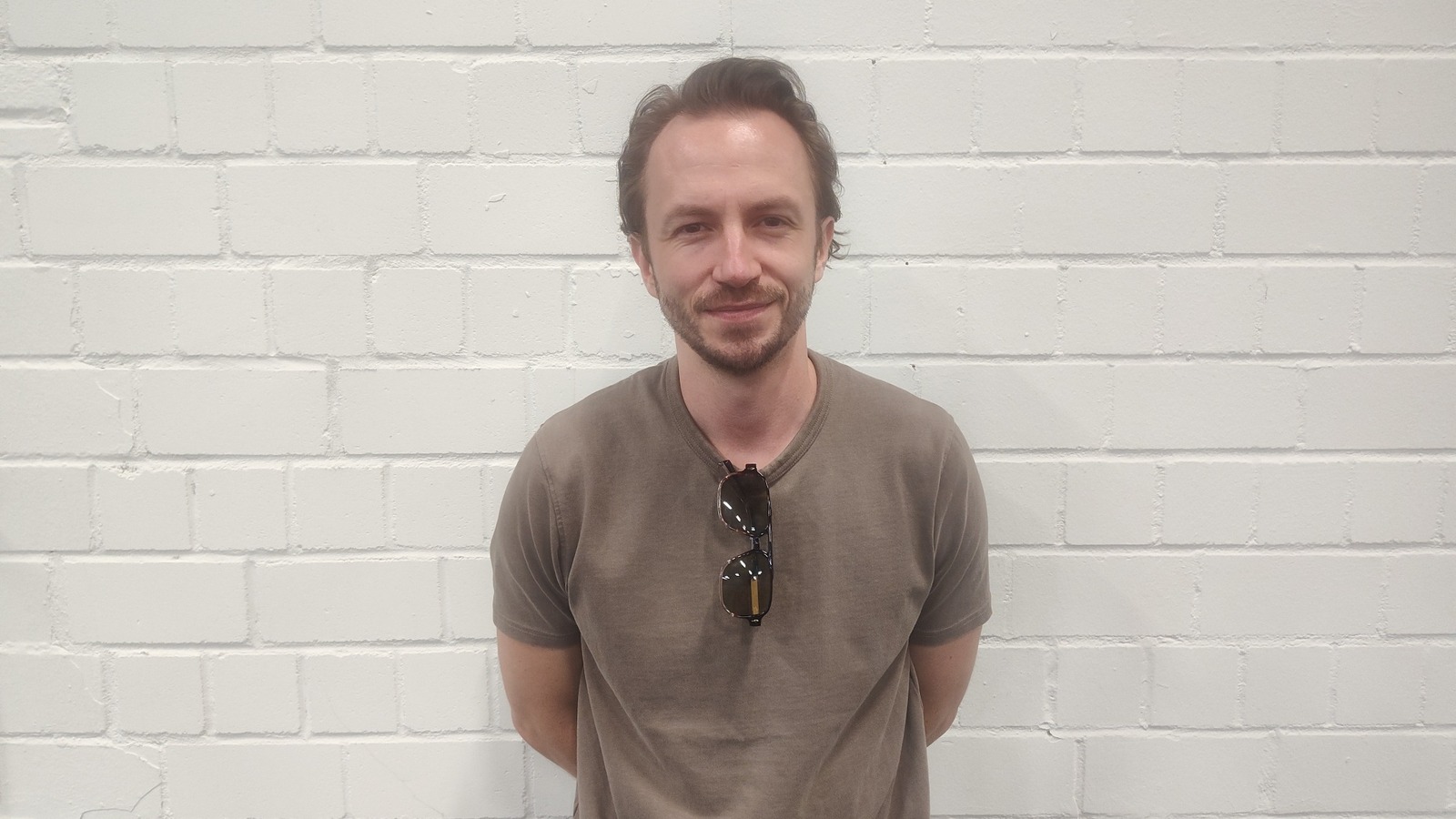
Hank Howie and I lose the question halfway through the answer. Someone needs to squeeze into the table beside us, so we move our drinks, shift our chairs and make room. When we get going again, neither of us can remember what I asked. We know only that we had been talking about something going wrong in the games business.
At Gamescom in 2026, this does not narrow it down as much as it should.
Howie entered the games business in 1989. He later became president of Blue Fang Games, the studio behind ‘Zoo Tycoon’. At Disruptor Beam he worked on games based on ‘Game of Thrones’ and ‘Star Trek’.
I ask what feels genuinely different now rather than merely bad in a familiar way.
Howie starts with Covid. Games suddenly looked like a fantastic place to put money while everybody was stuck at home playing them. “A lot of money then got flushed out,” he says. “It’s just gone.”
Generative AI arrived while the industry was still dealing with the consequences. AI is also pulling investment towards AI companies. Game studios are asking what it means for jobs.
“Gen AI is sucking all the oxygen out of the atmosphere right now,” he says. Then he gets to the questions companies are asking: “How much can we use AI? Can we use less people? Can we fire people?”
The part of his answer I had not expected was TikTok.
Howie remembers seeing people on trains killing time with a game. The train journeys still exist. Now, he says, “they’re probably just going through their TikTok feed or whichever.”
A feed is enough to take the same twenty minutes.
Howie thinks all of this has left games in “the most interesting and difficult position” he has seen during his career. The industry is trying to work out what games should cost to make while the audience has acquired an apparently endless supply of other things to look at.
When Blue Fang made the original ‘Zoo Tycoon’, getting a game in front of someone worked differently. Software came on discs in boxes. Microsoft published the game and could put it on shelves where people might actually notice it.
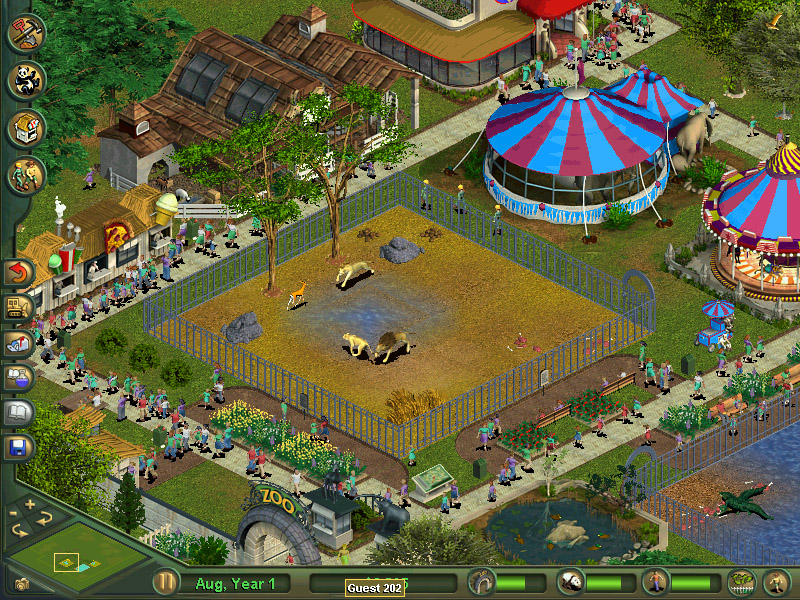
I ask Howie what would be harder if ‘Zoo Tycoon’ launched for the first time now.
“I would say discovery,” he says. “Discovery’s always been difficult.”
There are simply far more games fighting to get noticed now, a “flood of product”, as Howie puts it.
He still thinks the game itself would work. Blue Fang put the animals first. Someone interested in management could build and run a zoo; someone mostly interested in animals could spend their time with those instead. The game was simple enough that Howie remembers children playing it alongside much older people.
He still meets adults who tell him it was their first game.
“That’s nice, right?” I say.
“Yeah, it is,” he says. “No, it really is.”
The affection has lasted. Finding the player in the first place has become the expensive bit.
Howie can already see studios reacting to that reality. He hears more people talking about smaller, mid-budget games and fewer enormous bets. The money that disappeared after Covid has made it much harder to assemble a famous team, announce a blockbuster and assume someone will finance the rest.
He has little patience left for the mythology of the super-team.
“You know, those super teams,” he says. Someone comes from Rockstar, somebody else comes from Blizzard, everyone knows each other and they are going to make the greatest shooter anybody has ever seen.
“A lot of that stuff just…”
He leaves the sentence there.
Howie would rather see a studio start with something it can actually make well and grow from there. “Try to build incrementally,” he says.
The advice is not terribly glamorous. Neither is running out of money.
Howie now works for Modulate, which makes voice-chat moderation software. This is the part of the industry he now sees up close.
“No one wants to get yelled at in the game,” he says, “particularly by a 12-year-old.”
He is surprisingly forgiving about the person doing the yelling. Most players are fine, he says. Someone has a terrible commute, joins a terrible team and loses their temper. If moderation shows them exactly what they said and warns them, Howie says about 70 per cent do not do it again.
When I ask what studios get wrong about player safety, he complains that too many try to build the moderation tools themselves.
“A lot of people build their own stuff, and it’s terrible.”
He thinks games companies are unusually bad at deciding when to build something and when to buy it. A studio that makes its own moderation system now owns another piece of software that needs maintenance and improvement.
“Stay focused on what you’re doing. Making games. That’s what you should do.”
A player driven out by miserable voice chat has no shortage of somewhere else to go.
“We’re competing for people’s time,” Howie says.
He wants studios to treat early players “as if they’re gold”. In multiplayer games, the people you play with can eventually matter as much as the game itself. Howie has watched people stay because their clan is there. Leaving means walking away from the people they meet every night.
Near the end, the conversation turns to something Howie thinks the games business does unusually well: it keeps giving people reasons to run into each other.
He tells me about older friends in banking, finance and energy. They have run companies, sold them and taken them public. Some still want to work, but finding the next thing gets harder as they age.
Howie has asked those friends why they don’t simply go to conferences, reconnect with people they have known for years and see what turns up. They tell him their industries do not really have many places like that.
Games has them. There’s Gamescom, GDC and an entire calendar of gatherings where somebody you worked with fifteen years ago can introduce you to somebody you might work with next year.
Howie thinks that familiarity also comes from the fact that so many people entered the business for the same reason. They liked games. The surrounding culture came with them.
“A bunch of nerds,” I say.
“A bunch of nerds. Exactly.”
I tell him I can already see it after two days at my first Gamescom. Conversations with strangers become easier the moment somebody drops a reference and the other person knows exactly what they mean.
Howie agrees. Then he pauses, apparently searching for another industry that might work the same way.
“I don’t know,” he says. “Maybe I’ve never been to gun shows.”