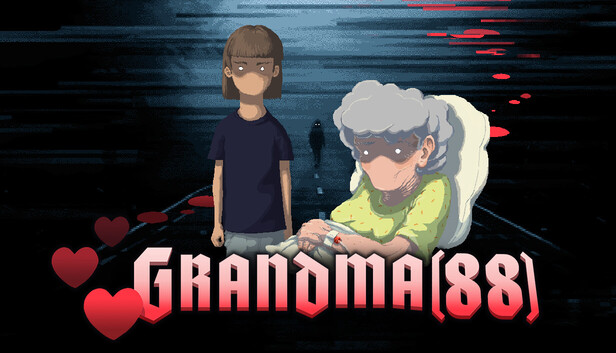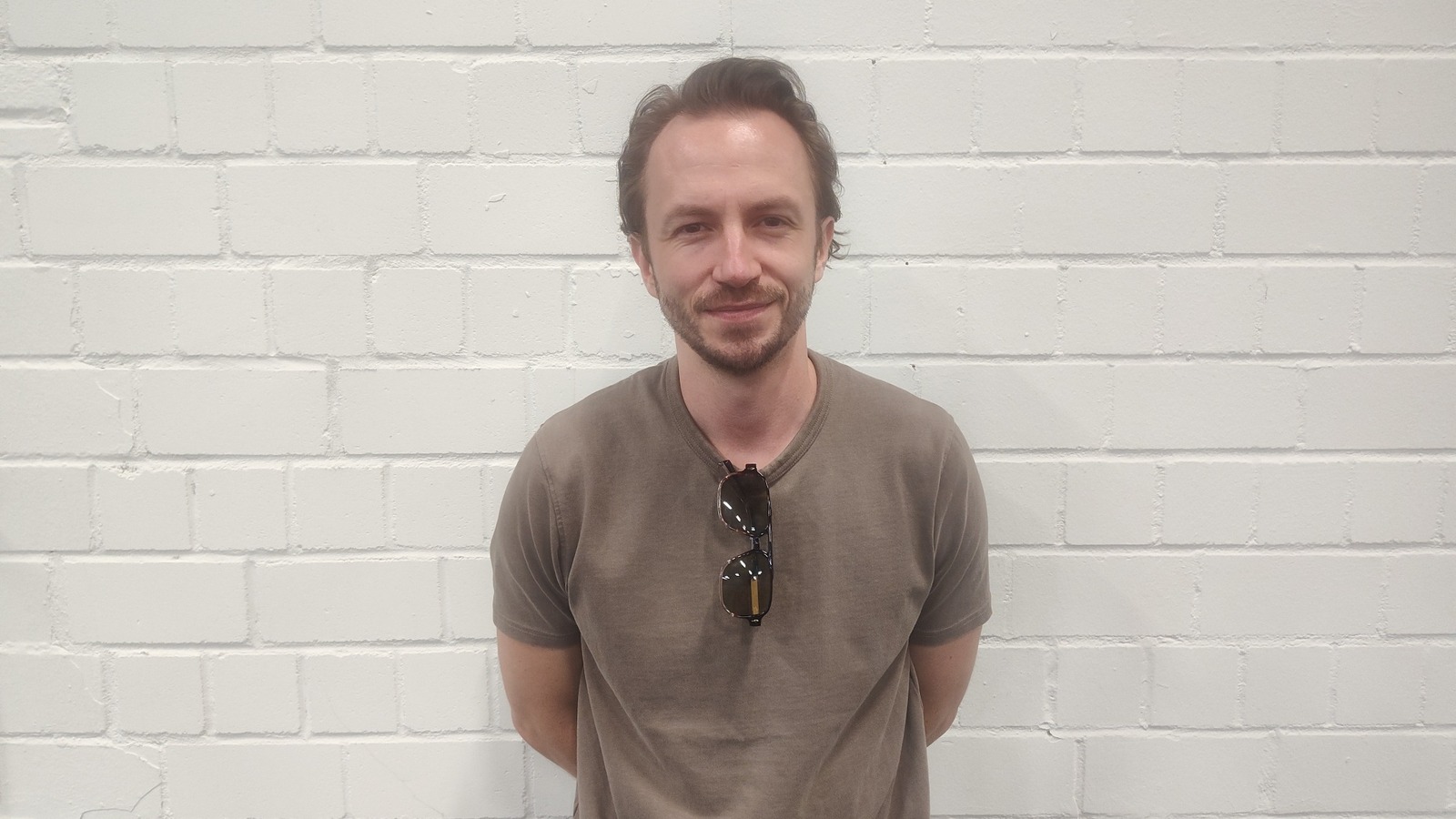
ROTxBLAU co-founder Richard Minkus spent more than €10,000 taking ‘Grandma(88)’ to Gamescom.
Thirty days later, the studio has more than doubled the game’s Steam wishlists. The jump in social attention has lasted beyond the show. New media and industry contacts are still useful, with conversations started in Cologne continuing. Minkus thinks the money was worth spending.
He has one improvement ready for next year: “I should definitely book the train tickets earlier.”
So far, this is the cleanest piece of Gamescom ROI anybody has given me.
Before Cologne, I wrote about the odd sight of Gamescom selling every available metre of exhibition space while the games business kept losing jobs. I wanted to know whether the packed halls meant the industry underneath them was recovering.
Then I spent eight days in Cologne, moving straight from Gamescom Dev into Gamescom itself.
It was wonderful.
What €10,000 actually bought
The wishlists are the tempting number, and also where the measuring becomes annoying.
For an unreleased indie, a Steam wishlist is essentially someone asking to be reminded when the game comes out. Enough of them can make a serious difference when launch day arrives.
‘Grandma(88)’ now has more than twice as many.
The game was also part of Steam’s official Gamescom sale, which ROTxBLAU had actively worked to get into. Some people found it there. Others played it at the physical stand or encountered coverage around the show. Minkus cannot tell me which route produced which wishlist.
Nobody arrives at a Steam page carrying a little card explaining precisely which impression did the job.
Minkus is happy with the result. He never expected ‘Grandma(88)’, a thriller built around the memories of a dying grandmother, to behave like an obvious crowd-pleaser. A football game requires less explanation. So does anything with an enormous gun on the cover.
Minkus says people tend to get hooked once they understand what ‘Grandma(88)’ is doing. Gamescom gave ROTxBLAU several days to get them there.
The less measurable part may last longer: Minkus met journalists and publishers, alongside people he may need for whatever comes after ‘Grandma(88)’. Some conversations are active now. Others might become useful later.
“The fair has led to a lasting improvement in how we’re perceived this year,” he tells me.
The five figures also bought the team a trip to Gamescom. Minkus points out that jobs in games do not generally come with princely salaries, and exhibiting there was meant to be a reward for the people who had got the project that far.
The accountant may place that in a different column.
Minkus would not tell every indie to copy him. ROTxBLAU’s appearance was large and expensive for a studio its size. By next August, ‘Grandma(88)’ should already be released, other projects will need attention and the stand may be much smaller.
For a game that needs a sentence or two before it makes sense, though, several days of concentrated attention did the job. A month later, enough of it has stuck to make the bill look considerably less frightening.
Eight days of people caring too much
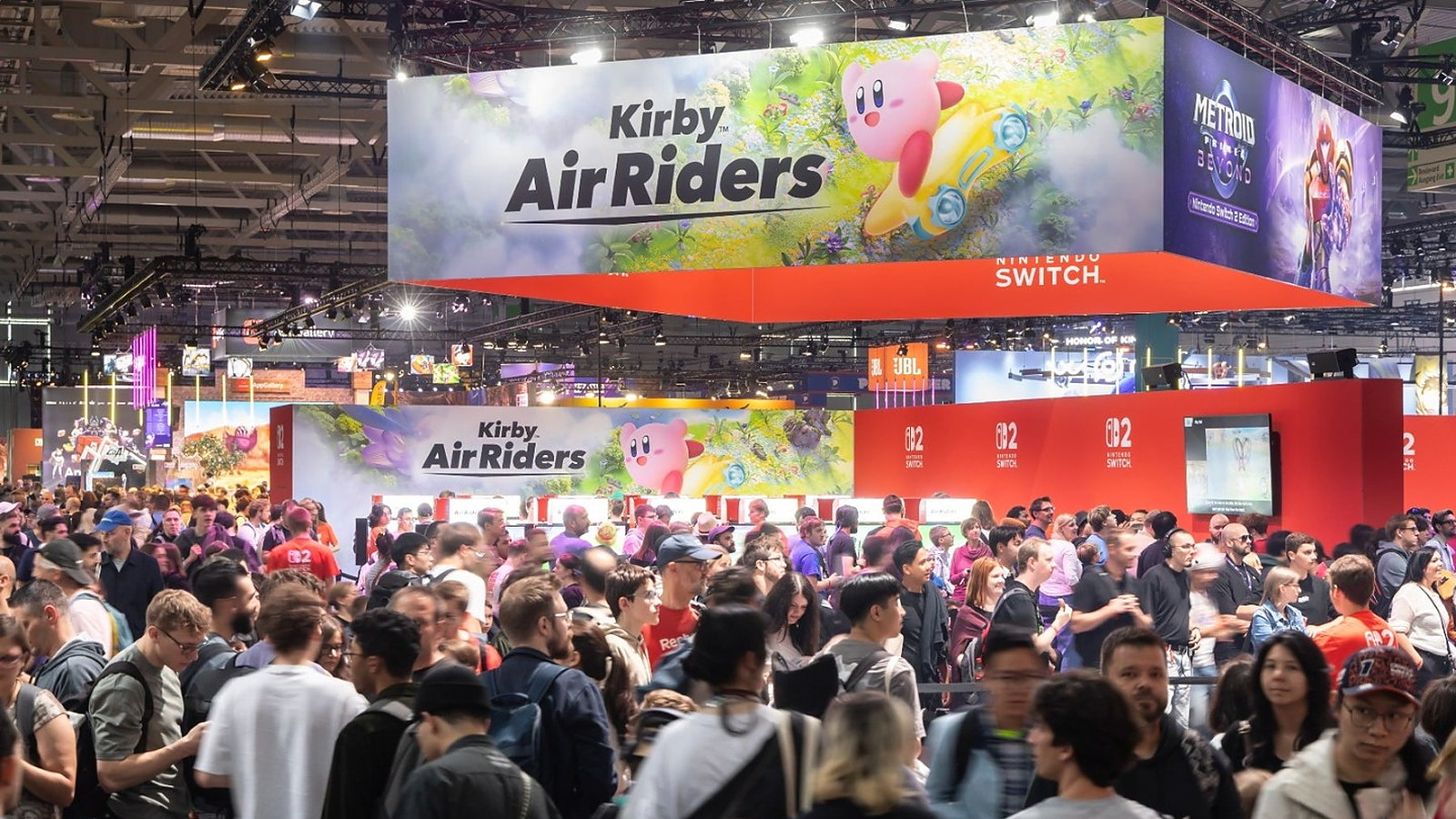
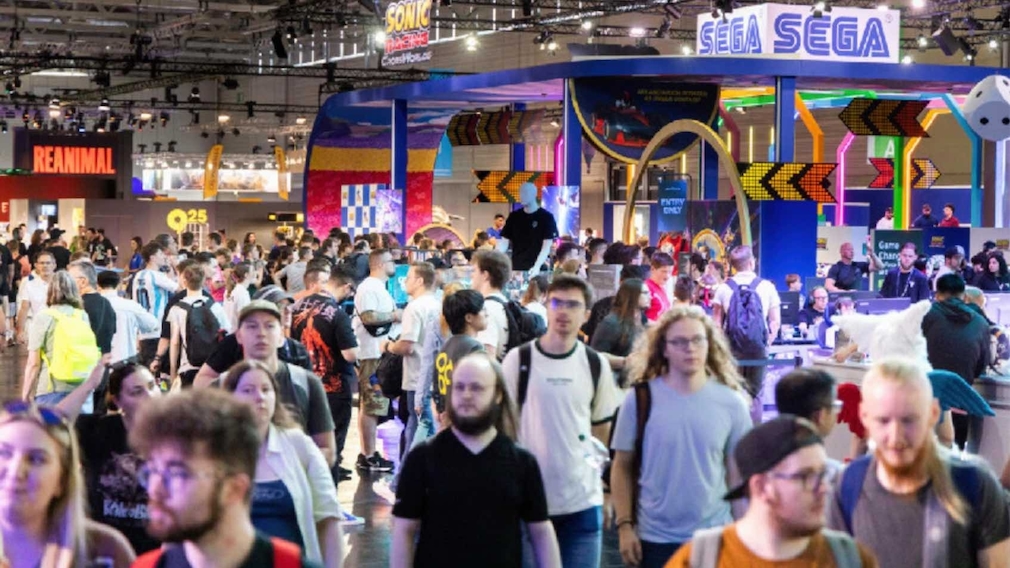
The official figure says 368,000 people attended Gamescom this year. I believe it because I tried to walk through them.
Gamescom has a peculiar geography. Two appointments that look reasonably close together can require semi-athletic zigzagging through people moving the other way, followed by the gradual realisation that Hall 6 is much further from Hall 5 than numbers would suggest.
Then you arrive, somebody starts talking about a problem you had never considered before, and suddenly the next appointment is in danger.
I loved reporting there.
Those eight days were exhausting in exactly the way I hoped journalism might occasionally still be. Every useful conversation produced another question, and people kept adding somebody else to my interview list. I arrived with one story to report and went home with a notebook full of people I wanted to write about.
The enthusiasm was catching because it was so specific.
Ruslana Kruchek, co-founder of audio company VP Production, got excited describing the rare developer who asks for an audio quote while there is still enough money left to act on it. Audio-branding work was paying for her trip to Gamescom, where she was trying to find more videogame projects.
You could spend considerably longer explaining the current indie economy and learn less.
Tommy Thompson has worked with game AI for two decades and runs AI and Games, where he explains what the technology actually does. He arrived fuelled by coffee and what he called “a little bit of existential anger”. His Gamescom talk included a wonderfully unfashionable suggestion: if AI makes a workflow 25 per cent faster, ask the people doing the work whether the new workflow is any good.
His preferred measurement included asking the developers themselves. Apparently the people doing the work also count as data.
Dick Stanley runs Evoc8, a new co-development company trying to keep teams working across different projects. I asked why it needed to exist.
“Joblessness.”
A month later, this still cannot be improved upon.
Stanley thinks the usual production cycle leaves too many people exposed once a game is finished. He called starting a studio “a countdown to a layoff”. Evoc8 is meant to carry people from one project into another rather than sending them back onto the job market every time the credits roll.
The test comes when one project ends and the next has not started. Evoc8 still has to bridge that gap.
Oddly, these conversations made Gamescom more fun. You can spend the morning discussing layoffs and the afternoon becoming embarrassingly interested in why one version of a videogame character says “yes” while another says “yeah”.
People in games care intensely about small things. Put enough of them in Cologne and eight days disappear quickly.
The affection for games in those halls was obvious. So was the amount of talent wandering around them.
Amir Satvat kept counting
Gamescom closed on 30 August. Less than two weeks later, Amir Satvat, founder of ASGC, had another set of numbers for the industry.
ASGC is the grassroots career-support network that has helped thousands of people in and around games find work. Satvat has also become one of the industry’s most persistent trackers of the jobs disappearing in the first place.
Before Gamescom, I asked what he wanted people to remember while walking around a show packed with developers.
“Appreciate the people that you see there at the show.”
By 10 September, Satvat’s tracker had recorded 10,318 layoffs in games during 2026. He expected the year to end at around 13,800. Grim as that sounds, the forecast had actually fallen by 866 from his previous estimate.
This is what a bit of good news looks like now.
Satvat noted the improvement and carried on counting. September soon supplied more work: ‘Moss’ developer Polyarc closed after nearly twelve years, and Heart Machine, the studio behind ‘Hyper Light Drifter’, laid off nearly everyone after a publisher stopped funding an unannounced game.
At Gamescom Dev, Satvat had argued that waiting for the old industry to return was a bad plan. Hiring has changed, with more work moving outside permanent internal teams. The investment environment that helped studios balloon earlier in the decade is gone.
The line from his talk that travelled furthest was blunt: “We are never going back to normal.”
A month later, what strikes me is how many people in Cologne were already behaving as though that were true.
Kruchek had work outside games helping to finance her search for work inside them. Stanley’s response was to build around what happens between projects; Thompson was asking companies what their efficiency gains actually do to the humans expected to produce them.
They were still intensely invested in games.
Thirty days later
I went to Gamescom looking for evidence that the packed show and the broken job market could somehow be reconciled.
I don’t need them reconciled anymore.
Gamescom did something useful for ROTxBLAU. Twice as many people have ‘Grandma(88)’ sitting on a wishlist. More people know the studio. Conversations started in Cologne are continuing.
Satvat spent the same month adding layoffs to his tracker.
After Cologne, that no longer feels like a contradiction that needs solving. I met too many people who clearly love making games, then spent September watching the business around them shed more of the people who do it.
I came home wanting to write more about games. September supplied the less pleasant reason to keep doing it.
Next year, ‘Grandma(88)’ should be out. ROTxBLAU will probably arrive with something new and a smaller stand. Maybe one of those conversations from this August will have turned into a publishing deal by then. Maybe it will still be a conversation.
The only firm plan so far is to book the train earlier.